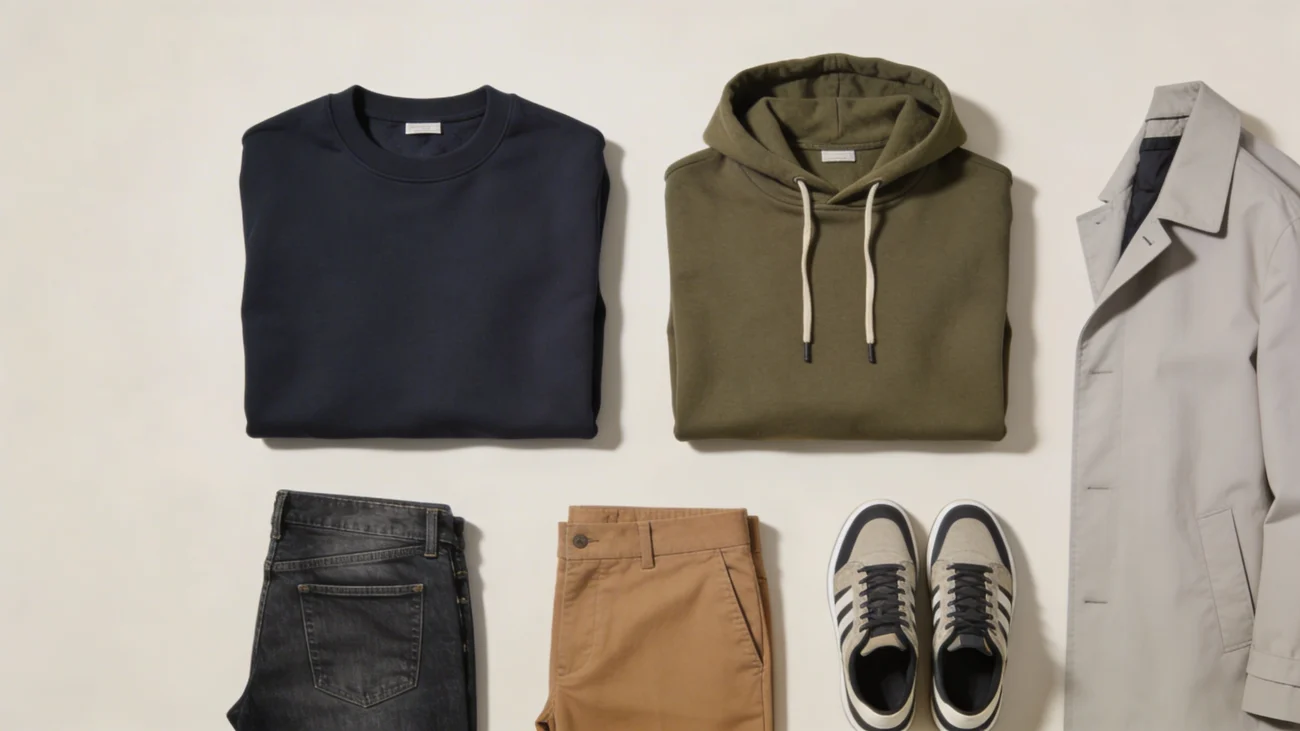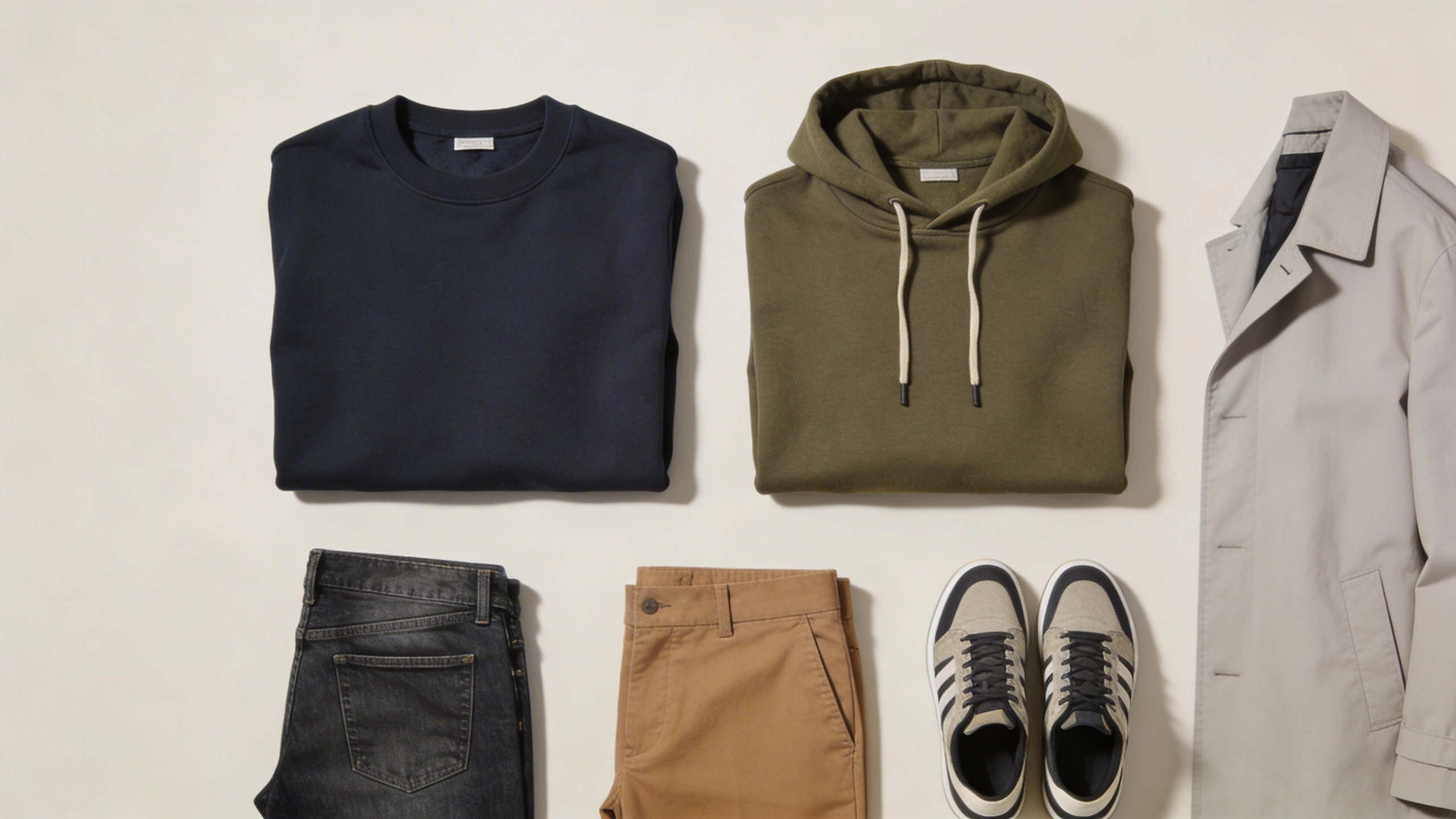
Sweat Shirt vs Hoodie for Men: Which Is Better for Your Style?

Reach for a casual layer and most men grab either a sweat shirt or a hoodie without thinking. Yet that small decision influences how warm you feel, how polished you look, and even how versatile your outfit becomes from office to weekend.

Choosing between a sweat shirt and a hoodie matters because these pieces anchor most men’s casual wardrobes. The right option changes how easily you can dress something up, how it layers under coats, and whether it works in a heated office or on a windy sideline. Understanding their differences helps you buy fewer, better pieces instead of random duplicates.

Both garments usually share similar fleece or loopback cotton fabrics, but details like hoods, pockets, and ribbing affect function. A crewneck sweat shirt often feels cleaner and slimmer under jackets, while a hoodie leans relaxed and streetwear-oriented. Thinking through climate, body type, and lifestyle before buying can prevent clutter and make outfits faster to assemble.

Rather than asking which is universally better, it helps to map each style to specific situations. Once you know where a sweat shirt shines and where a hoodie dominates, you can decide whether you need three pieces or ten. The comparison below breaks down comfort, silhouette, trends, and care so you can curate a smart, balanced lineup.

1
sweat shirt

Sweat Shirt vs Hoodie: What Each Piece Is and How Men Wear Them

Sweat Shirt vs Hoodie: What Each Piece Is and How Men Wear Them

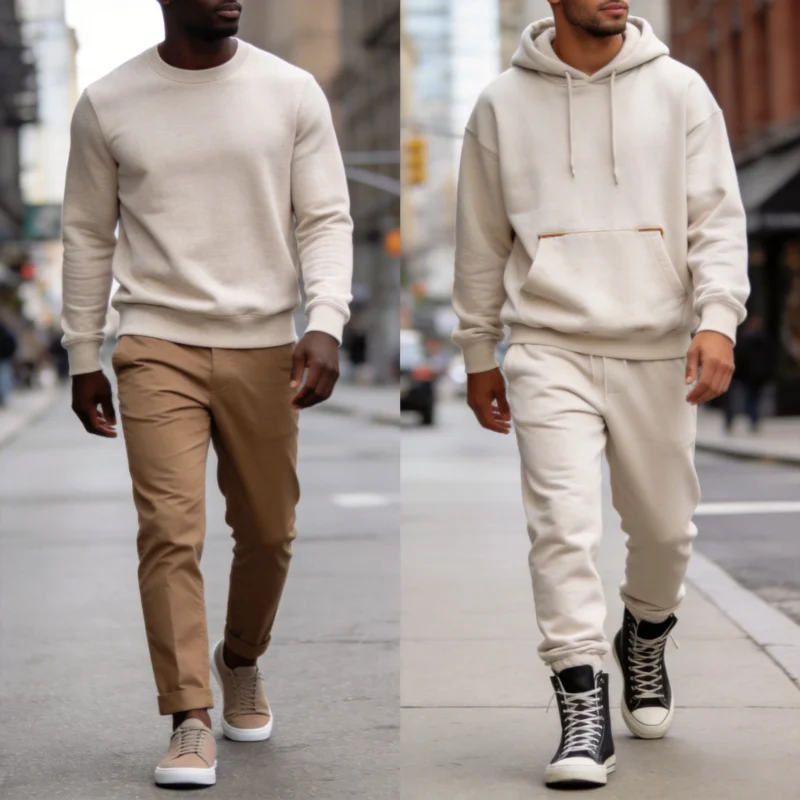
Seeing a sweatshirt and hoodie styled on real people highlights how each piece behaves in an outfit. The crewneck’s open neckline and cleaner front make it feel sharper with chinos, while the hoodie’s bulk, pocket, and drawstrings push the look toward streetwear and athleisure, even when colors and fabrics are similar.

Both sweat shirts and hoodies evolved from early 20th‑century athletic wear, but subtle design differences shape how men wear them today. A classic sweat shirt is usually a crewneck, long‑sleeve top made from 280–350 gsm cotton fleece or loopback jersey, with ribbed cuffs and hem. A hoodie adds a drawstring hood and usually a kangaroo or split pocket, immediately signaling a sportier, more relaxed attitude.

Key Design Features and Fabric Choices

Most men’s sweat shirts use mid‑weight cotton blends, often 80% cotton and 20% polyester, balancing softness with durability after 50–60 washes. Hoodies often run slightly heavier, sometimes 320–380 gsm, because the hood and pocket add bulk and require structure. Details like V‑inserts at the neck, side panels, and raglan sleeves on sweat shirts create a cleaner silhouette that layers smoothly under denim jackets, topcoats, or chore coats.

Typical Styling in Everyday Men’s Outfits

Men often style sweat shirts with straight or slim jeans, chino trousers, or tailored joggers when they want casual comfort without looking underdressed. A grey or navy sweat shirt over an Oxford shirt can pass in business‑casual offices where hoodies feel too informal. Hoodies, by contrast, pair naturally with cargo pants, athletic shorts, or relaxed denim, aligning with skate, techwear, and athleisure aesthetics that emphasize comfort and attitude.


2
hoodie

Comfort and Warmth: Sweat Shirt vs Hoodie for Men in Different Climates

Comfort differences between a sweat shirt and a hoodie become most obvious when temperatures change quickly during the day. A mid‑weight crewneck sweat shirt around 300 gsm often feels comfortable indoors at 20–22°C because it traps moderate warmth without insulating your neck and head. Hoodies add a second thermal layer over the upper back and neck, which can feel slightly stuffy in heated spaces but lifesaving when wind picks up outdoors suddenly.

Comfort and Warmth: Sweat Shirt vs Hoodie for Men in Different Climates

A hoodie really shines when you want a relaxed, streetwear-oriented look. The hood, front pocket, and looser cut naturally pair with joggers, jeans, or shorts for weekends and travel. It reads more casual and sporty than a sweatshirt, making it ideal for off-duty days, layering with caps, and bolder sneakers.

Climate, Insulation, and Breathability

In mild climates like coastal California, many men find a hoodie redundant because they already wear lightweight jackets. A sweat shirt with loopback (French terry) construction breathes better by allowing air to circulate through the tiny loops, preventing overheating during commutes or light workouts. Fleece‑backed hoodies with brushed interiors trap more air, increasing insulation by roughly 10–15%, which feels ideal for 5–10°C evenings or drafty stadium seats.

  • Loopback sweat shirts around 260–300 gsm suit indoor offices and spring days between 15–20°C without causing clamminess.
  • Fleece‑back hoodies at 320–380 gsm keep you comfortable walking at 5–10°C with only a T‑shirt underneath.
  • Organic cotton blends with 5–10% polyester or elastane dry faster after light rain or sweat during commutes.
  • Double‑layer hoods add extra wind protection at the neck, useful for cyclists or scooter riders in colder cities.
3

Style Versatility: When a Sweat Shirt Works Better Than a Hoodie

Style Versatility: When a Sweat Shirt Works Better Than a Hoodie

In smarter casual settings, a well-fitted crewneck sweatshirt can quietly replace a sweater. Its clean neckline and lack of bulky hood help it sit smoothly under blazers or overcoats, and in a heated office it feels polished enough with tailored trousers while still keeping the comfort of soft fleece or loopback cotton.

A sweat shirt often wins when you want comfort that still reads semi‑polished, especially in offices, restaurants, or low‑key dates. Without a hood or bulky pocket, it mimics the visual simplicity of a fine‑gauge sweater while remaining easier to wash and less precious. This makes it ideal for men who move between casual meetings, coworking spaces, and evening plans without time to change.

Smart‑Casual and Office‑Friendly Combinations

Layering a navy or charcoal sweat shirt over a button‑down shirt immediately sharpens the look, particularly if the collar sits neatly. Pairing it with slim chinos and leather sneakers can pass in many business‑casual environments where a hoodie might signal disengagement. The clean neckline also accommodates scarves or overcoats more easily, preventing the stacked bulk that hoods create behind the neck under structured outerwear.

Minimalist and Refined Casual Looks

Men who prefer minimalist wardrobes often choose two or three neutral sweat shirts instead of multiple hoodies. The lack of drawstrings and logos keeps outfits visually quiet, allowing focus on trouser cut and footwear. A light grey sweat shirt with black jeans and Chelsea boots, for example, looks intentional enough for gallery visits or dinners, while still offering the machine‑washable practicality of athletic wear.

4

Style Versatility: When a Hoodie Works Better Than a Sweat Shirt

Hoodies excel when you want your outfit to feel relaxed, protective, and slightly rebellious, which explains their dominance in streetwear and athleisure. The hood itself adds visual volume around the shoulders and neck, balancing wider pants, chunky sneakers, or technical outerwear. For men who spend weekends skating, traveling, or working remotely in casual spaces, the hoodie’s pocket and coverage become daily necessities.

Style Versatility: When a Hoodie Works Better Than a Sweat Shirt

Climate and layering needs often decide whether you reach for a sweatshirt or a hoodie. A midweight crewneck slides neatly under a tailored coat without bunching at the collar, while a thicker hoodie with its built-in head coverage and pocket feels better suited to windy sidelines, casual walks, or colder, more relaxed days.

Streetwear, Athleisure, and Layering Scenarios

In modern streetwear, a hoodie often serves as the canvas for bold graphics, embroidery, or brand logos, turning it into the focal point. Layering a hoodie under a bomber or puffer jacket creates a stacked, three‑dimensional look that a sweat shirt rarely matches. Athleisure outfits—think tapered joggers, running shoes, and performance T‑shirts—also integrate hoodies seamlessly for post‑gym errands or travel days.

  • Oversized hoodies (one to two sizes up) pair well with wide‑leg cargos and chunky sneakers for a 1990s‑inspired silhouette.
  • Technical hoodies with zip pockets and moisture‑wicking fabric suit commuters biking 10–15 km daily in variable weather.
  • Zip‑up hoodies offer quick temperature control on flights, unzipping easily when cabin temperatures rise above 22°C.
  • Graphic hoodies help express subcultures—skate, hip‑hop, anime—without needing additional accessories or loud footwear.
6

Fit and Silhouette: Choosing Sweat Shirt vs Hoodie for Your Body Type

Fit and Silhouette: Choosing Sweat Shirt vs Hoodie for Your Body Type

Fit often matters more than the sweat shirt vs hoodie choice itself, especially when you consider body proportions. Crewneck sweat shirts typically follow straighter, slightly trimmer patterns, which flatter men with average builds and moderate shoulders by creating clean vertical lines. Hoodies, particularly drop‑shoulder or oversized versions, can either balance broad frames or overwhelm shorter men if lengths and volumes aren’t chosen carefully.

Balancing Proportions for Different Builds

Men with broader chests or athletic shoulders often find hoodies more forgiving because the hood and dropped seams visually distribute width. However, if you’re under 175 cm, a long, oversized hoodie extending past mid‑thigh can shorten your legs. In that case, a slightly cropped sweat shirt ending just below the belt line elongates the lower body, especially when paired with mid‑rise trousers and slimmer sneakers.

Fine‑Tuning Length, Thickness, and Layering

Thicker fabrics add bulk, which can help very slim men look more substantial but may exaggerate midsections on softer builds. If you carry weight around the stomach, look for 280–320 gsm sweat shirts with minimal ribbing and no front pocket, which avoids extra fabric bunching. For layering under coats, choose hoodies with low‑profile hoods and shorter body lengths so the hem doesn’t extend awkwardly past your outerwear.

7

Building a Balanced Wardrobe: How Many Sweat Shirts and Hoodies Do Men Need?

The ideal number of sweat shirts and hoodies depends on lifestyle, climate, and laundry habits, but most men overbuy duplicates. A practical starting point for an urban professional might be three sweat shirts and two hoodies, covering office‑friendly outfits, gym commutes, and relaxed weekends. Students or remote workers who live in loungewear may lean toward two sweat shirts and three to four hoodies, especially in colder regions.

Building a Balanced Wardrobe: How Many Sweat Shirts and Hoodies Do Men Need?

Suggested Mixes for Different Lifestyles

Thinking in use‑cases rather than sheer quantity prevents clutter and wasted spending. Map your week: office days, gym sessions, nights out, and travel. Then assign specific garments to each scenario, ensuring at least 24 hours between wears for fabric recovery and odor control. This framework usually reveals that five to seven total pieces handle most routines without forcing constant laundry.

LifestyleSweat Shirts RecommendedHoodies RecommendedExample Use‑Cases
Office‑Based Professional32Business‑casual outfits, commute, light travel
Student/Remote Worker23–4Campus wear, study days, casual evenings
Outdoor Hobbyist2–33Hiking, sidelines, weekend trips
Minimalist Capsule21–2Versatile neutrals, carry‑on travel only
Streetwear Enthusiast1–24–6Statement outfits, sneaker‑focused looks

Once you reach your target mix, upgrade strategically instead of expanding endlessly. Replace the most worn piece first with a higher‑quality version in the same role, such as swapping a $30 grey sweat shirt for a denser $120 one. This approach keeps your wardrobe size stable while steadily improving comfort, drape, and longevity, reducing long‑term cost per wear significantly.

8

Care and Durability: Maintaining Your Sweat Shirt and Hoodie Collection

Care and Durability: Maintaining Your Sweat Shirt and Hoodie Collection

Proper care can double the lifespan of both sweat shirts and hoodies, turning a $60 garment into a five‑year staple instead of a one‑season throwaway. Cotton fleece and loopback fabrics are prone to shrinking, fading, and pilling when washed hot or over‑dried, especially above 40°C. Paying attention to wash temperature, spin speed, and drying method preserves both fit and color saturation, particularly on darker hoodies.

Washing, Drying, and Storage Practices

Most manufacturers recommend cold or 30°C washes with mild detergent, turning garments inside out to protect surface fibers and prints. Air‑drying on a flat rack rather than hanging prevents neck stretching, which is more visible on sweat shirts without hoods to disguise it. Hoodies benefit from zipping or tying drawstrings before washing, preventing tangling that can distort the hood shape and stress eyelets.

Consistently washing at 30°C, air‑drying, and avoiding fabric softener can reduce pilling by roughly 30–40% over the first year, meaning your sweat shirts and hoodies keep sharper lines and richer colors much longer.

Recognizing Quality and Planning Replacements

Higher‑quality pieces often feature double‑needle stitching at seams, heavier ribbing at cuffs, and dense fabric that feels substantial for its weight. Tracking how many wears you get before fading or stretching—say 80 wears versus 200—helps you compare cost per wear between budget and premium options. When elbows thin out or necklines sag, demote those pieces to home or gym wear and replace them in your primary rotation.