Balaclava Hoodie Trend: How to Wear a Balaclava Hoodie in Style

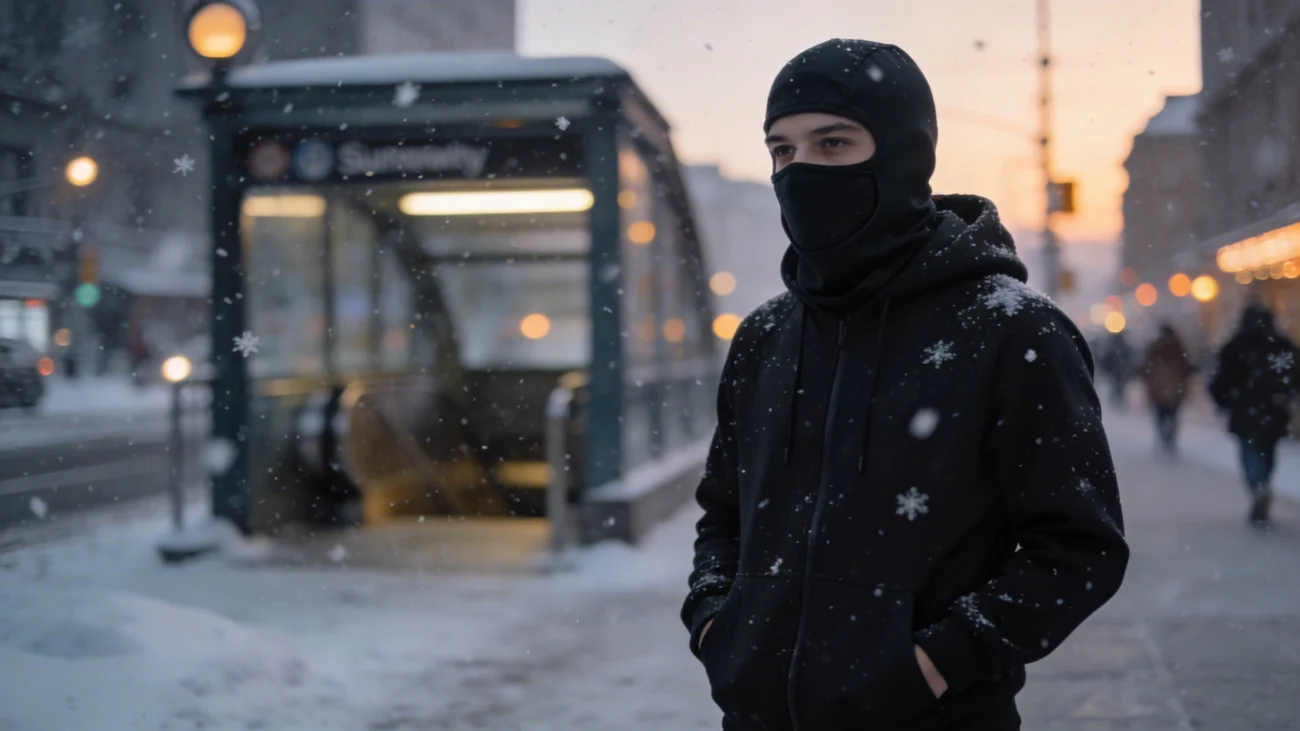
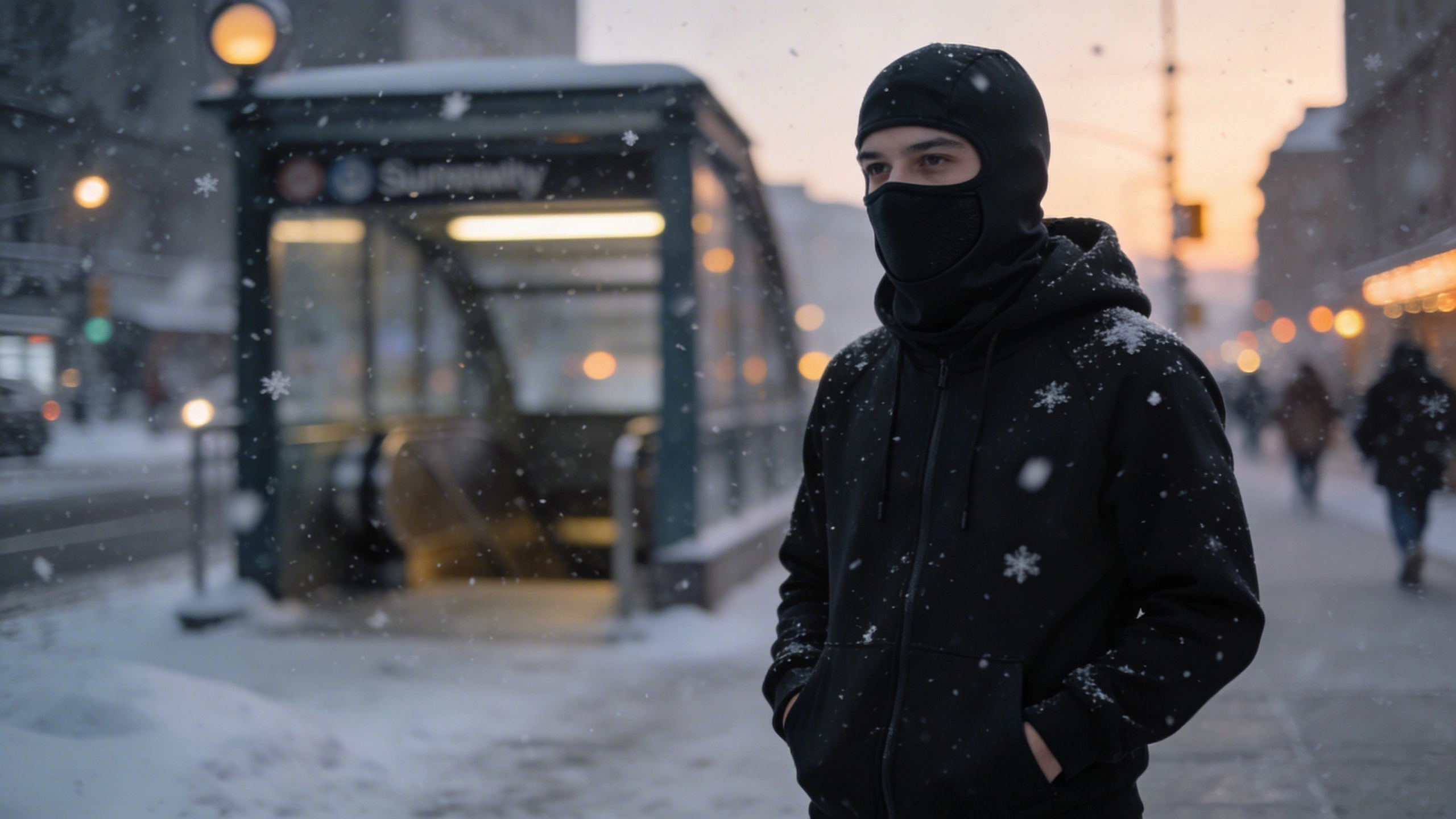
A balaclava hoodie looks intimidating at first glance, but that built‑in face coverage is exactly why it’s exploding in colder cities. Instead of juggling hats, scarves, and neck warmers, you get one streamlined piece that feels technical yet street. Styled right, it moves easily from subway commutes to late‑night city walks.

The balaclava hoodie combines the comfort of a classic hoodie with the protection of a balaclava, giving you head, neck, and partial face coverage in one garment. Because the hood extends into a mask or gaiter, it functions like performance outerwear while still reading as casual streetwear. This hybrid design is why it’s appearing in collections from Nike ACG to smaller techwear labels.

Unlike a regular hoodie, a balaclava hoodie can be adjusted to match temperature swings, wind levels, and social settings. You can wear it fully up on a windy −5°C morning, then push it back to a relaxed hood indoors. That flexibility makes it a smart mid‑layer for climates where winter days can shift 8–12°C between morning and evening.

Styling one well means thinking about proportion, texture, and context. Because the integrated mask draws attention to your face, you need to balance volume with slimmer pieces and choose colors carefully. Whether you lean toward skate‑inspired looks, clean technical outfits, or purely functional layering for snow, there’s a way to make the balaclava hoodie feel intentional rather than costume‑like.

1
balaclava hoodie

What Is a Balaclava Hoodie and How Is It Different from a Regular Hoodie?

What Is a Balaclava Hoodie and How Is It Different from a Regular Hoodie?

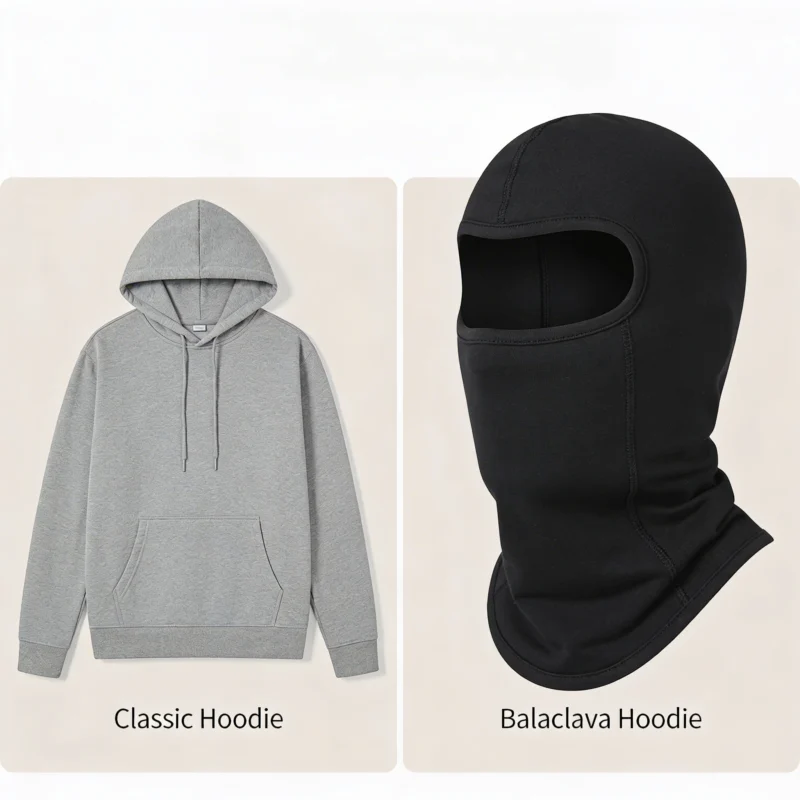
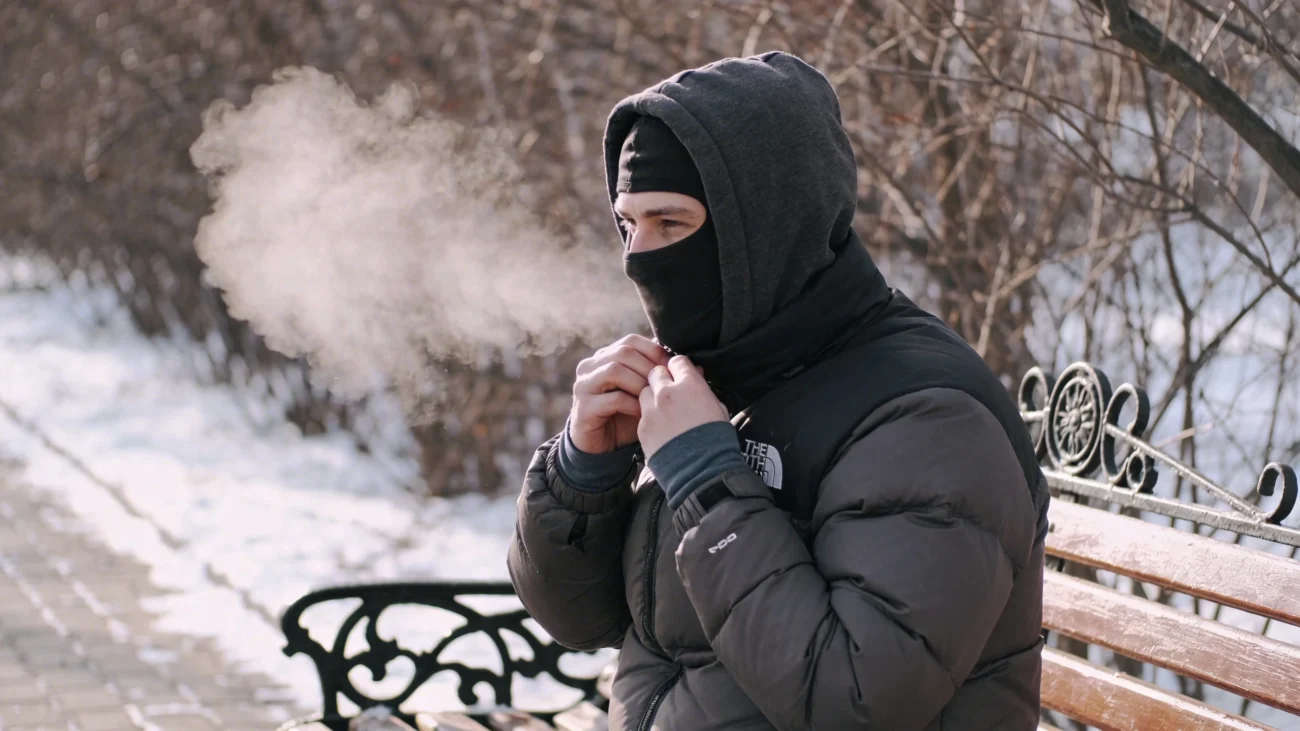
Unlike a standard hoodie that stops at the neckline, a balaclava hoodie continues into a gaiter or mask that can be pulled over the lower face. This extended coverage turns a familiar silhouette into a hybrid between casual streetwear and performance gear, ideal for wind, cold, and fast-changing urban weather.

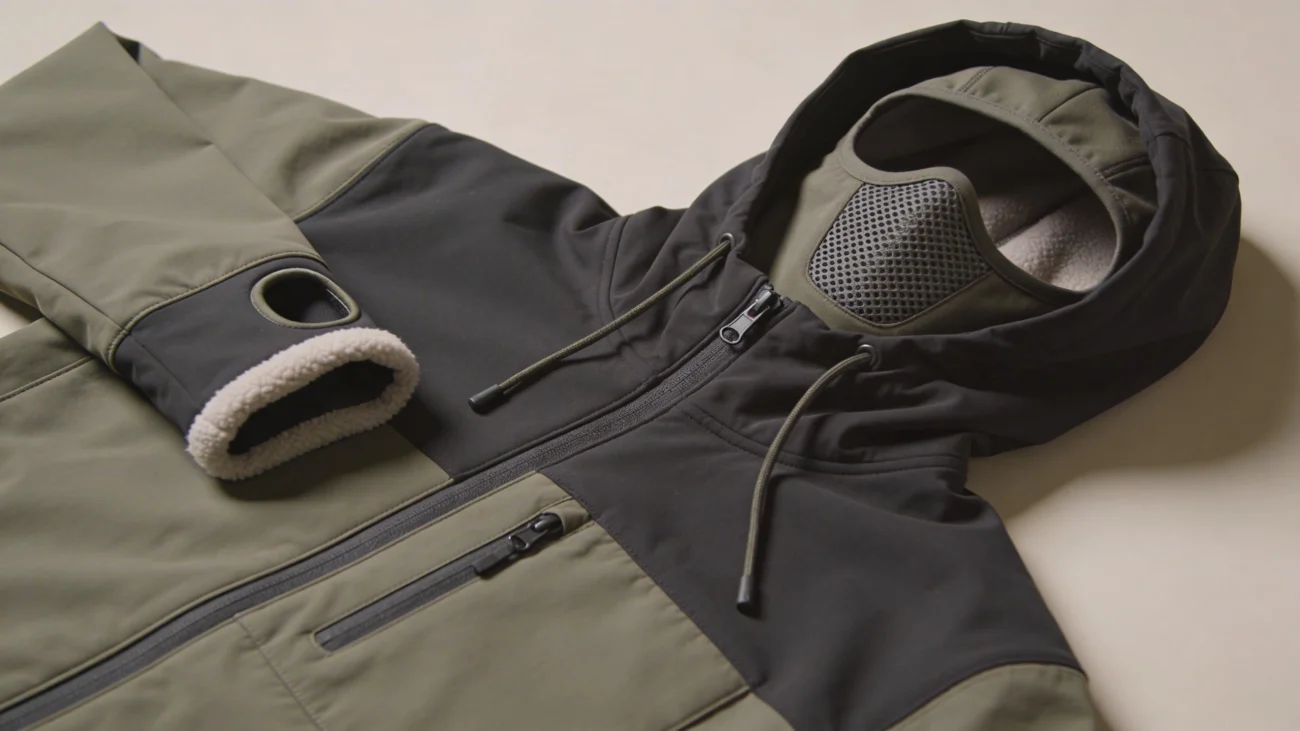
A balaclava hoodie is essentially a hoodie with an extended hood that can cover your neck, chin, mouth, and sometimes nose. The front panel often works like a built‑in gaiter, either attached at the sides or integrated as a single piece. This construction reduces cold air gaps around your collar and jawline, which is where most heat escapes in windy conditions.

Construction and Design Details

Most balaclava hoodies use a deeper hood profile and higher collar than standard hoodies, often 3–5 cm taller at the neck. Some feature a separate inner mask panel stitched along the neckline, while others use a single piece that pulls up over the nose. Brands like Nike, Adidas, and ASOS frequently add drawcords or toggles, allowing you to cinch the opening down to a 10–15 cm oval.

Why It Became a Streetwear Trend

The silhouette taps into techwear and utility aesthetics popularized by labels like ACRONYM and Guerilla Group, where function drives the look. Urban cyclists, skaters, and commuters started wearing balaclava hoodies because they cut wind without needing a separate scarf. Social media amplified the style, especially in cities like New York, Toronto, and Berlin, where winter temperatures regularly drop below −10°C.
2

Key Features to Look for in a Balaclava Hoodie

Choosing the right balaclava hoodie means paying attention to fabric weight, stretch, and breathability, not just how aggressive the hood looks. A mid‑weight 280–320 gsm fleece works for most winters, while heavier 350+ gsm options suit extended outdoor time. You’ll also want to assess how the face coverage sits when lowered, because bulky panels can bunch uncomfortably around the neck.

Key Features to Look for in a Balaclava Hoodie

In real cold, think of the balaclava hoodie as your mid-layer. Start with a moisture-wicking base, add the hoodie for head and neck coverage, then top it with a windproof shell or insulated puffer. This system traps warmth while keeping your face protected, without bulky scarves or extra accessories.

Materials, Warmth, and Breathability

Cotton‑poly fleece blends around 60/40 offer warmth with better moisture management than pure cotton, which can stay damp in snow. Performance options using polyester with elastane, like Nike Tech Fleece or Uniqlo’s DRY‑EX, dry faster after sweat or light rain. Look for brushed interiors for insulation and smooth outer shells that layer easily under jackets without friction.

  • Choose 280–320 gsm fleece for city winters between −5°C and 8°C, balancing warmth and non‑bulky layering under coats.
  • Pick polyester‑spandex mixes with at least 5% elastane for stretch, so the balaclava panel moves without pulling on seams.
  • Check for mesh breathing zones or laser‑cut holes around the mouth to reduce condensation and fogging on glasses.
  • Opt for double‑stitched seams at the neckline and hood opening to handle repeated pulling over the head and face.
3

Streetwear Outfit Ideas with a Balaclava Hoodie

Streetwear Outfit Ideas with a Balaclava Hoodie

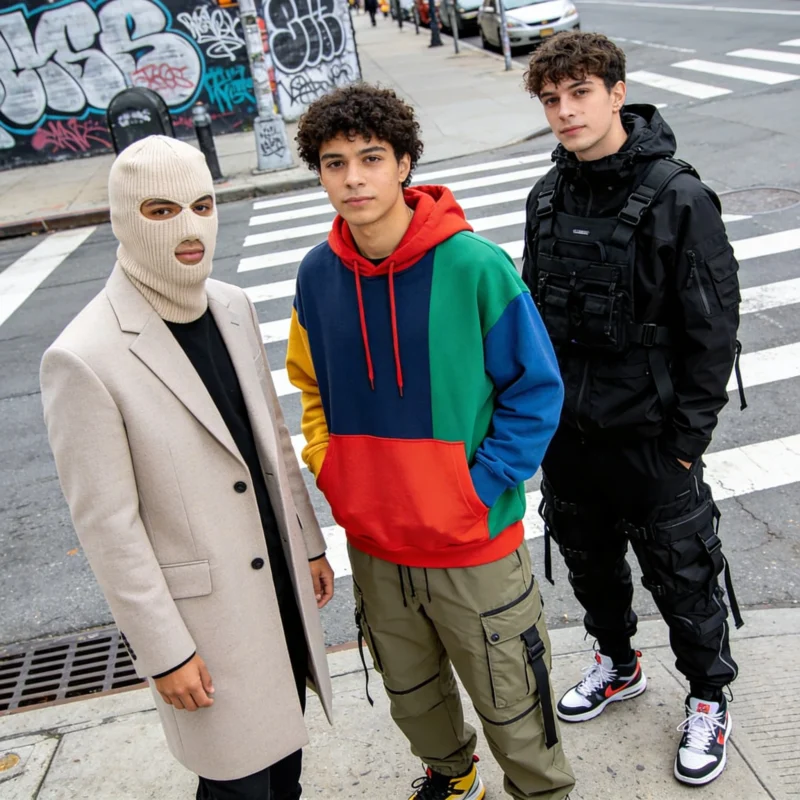
For streetwear outfits, treat the balaclava hoodie as your statement piece. Pair a neutral version with a structured coat for a cleaner look, or go bolder with bright colors and cargo pants for a true techwear feel. Footwear like chunky sneakers or boots helps balance the strong, futuristic silhouette.

Because a balaclava hoodie frames your face and neck, it naturally becomes the focal point of your outfit. To keep the look intentional, pair it with structured bottoms and clean footwear, avoiding too many oversized pieces at once. The goal is to lean into skate, tech, or athleisure references rather than looking like you’re in full snow‑sports gear on the sidewalk.

Urban Tech and Skate‑Inspired Looks

For a techwear‑leaning outfit, combine a black balaclava hoodie with charcoal cargo pants featuring taped seams and zip pockets. Add a lightweight nylon shell jacket, like The North Face DryVent, and low‑profile sneakers such as Nike Air Max 270. This mix of matte and slightly shiny textures creates depth while still allowing the hoodie’s face coverage to stand out without overwhelming everything.

Casual Denim and Everyday Pairings

To soften the intensity, pair a heather grey balaclava hoodie with straight‑leg blue denim and white leather sneakers. A cropped bomber or trucker jacket breaks up the vertical line of the hood, making the face coverage feel less severe. Rolling the mask portion down into a relaxed cowl when indoors instantly shifts the vibe from tactical to laid‑back.

Leaning on familiar staples like 501‑style jeans, Vans Old Skool, or a MA‑1 bomber grounds the balaclava hoodie visually, signaling style choice rather than anonymity. This contrast matters in busy urban spaces where covered faces can read differently depending on context, posture, and color choices.

4

Functional Cold-Weather Layering with a Balaclava Hoodie

As a cold‑weather tool, a balaclava hoodie shines when used as a mid‑layer under jackets and coats. The integrated neck and face coverage reduces the number of separate accessories you need, which simplifies packing and commuting. When temperatures drop below −5°C with wind, combining it with a windproof outer shell can feel noticeably warmer than a regular hoodie‑and‑scarf combo.

Functional Cold-Weather Layering with a Balaclava Hoodie

When choosing a balaclava hoodie, pay attention to fabric weight, interior lining, and ventilation details around the mouth and nose. Thumbholes, secure pockets, and adjustable drawcords add real-world function. These technical touches make the difference between a novelty piece and a hoodie you’ll reach for every cold morning.

Layering Systems and Temperature Ranges

Think in three layers: base, balaclava hoodie, and shell. A moisture‑wicking base layer like merino or synthetic keeps sweat off your skin, while the hoodie traps warmth around your core and head. Add a windproof or waterproof shell, such as a Gore‑Tex parka, to block wind chill that can otherwise make 0°C feel like −7°C or lower.

ConditionSuggested LayersFabric WeightApprox. Temp Range
Dry, cool city walkT‑shirt + balaclava hoodie260–280 gsm fleece5°C to 12°C
Windy commuteBase layer + hoodie + windbreaker280–320 gsm fleece−2°C to 8°C
Snowy errandsThermal + hoodie + insulated parka320–350 gsm fleece−8°C to 0°C
Cycling in winterCompression top + hoodie + softshell260–300 gsm fleece−3°C to 6°C
Outdoor sports spectatingThermal + hoodie + down jacket320–360 gsm fleece−10°C to −2°C

Using a balaclava hoodie in these systems lets you fine‑tune coverage quickly. On a crowded train, you can drop the face panel and unzip your shell without stripping layers. Outdoors, pulling the panel back up seals the gap between jacket collar and chin, which can otherwise leak heat and let wind cut directly into your neck.

5

Balaclava Hoodie Dos and Don’ts for Everyday Wear

Wearing a balaclava hoodie in public needs some social awareness, especially in banks, transit hubs, or security‑sensitive buildings. Because the face coverage can obscure identity, many venues expect you to uncover when entering. Balancing comfort and etiquette means treating the balaclava panel like a scarf—something you adjust respectfully depending on the environment.

Balaclava Hoodie Dos and Don’ts for Everyday Wear

Practical Etiquette and Styling Guidelines

As a rule, lower the face covering before walking into shops, offices, or public transport where cameras and staff need clear visibility. Choose softer colors—greys, creams, muted greens—if you’re worried about looking too aggressive. Combining the hoodie with tidy outerwear, like a wool overcoat or clean puffer, communicates intention and reduces the sense of anonymity.

  • Lower the balaclava panel indoors or when speaking to staff, mirroring how you’d remove sunglasses in conversation.
  • Avoid pairing full black coverage with dark sunglasses at night, which can feel confrontational in crowded spaces.
  • Use visible accessories, like a tote bag or colorful beanie, to soften the look and signal everyday, non‑tactical use.
  • Check local rules in schools, stadiums, or airports, where face coverings may be restricted for security or identification.

Thinking of the balaclava hoodie as adaptable, not fixed, helps you navigate different spaces smoothly—face covered on a freezing street, uncovered and approachable the moment you step into a store or lobby.

6

How to Care for and Store Your Balaclava Hoodie

How to Care for and Store Your Balaclava Hoodie

Because a balaclava hoodie has more seams and shaping around the hood, careless washing can distort its fit. Hot water, aggressive spin cycles, and high‑heat drying may shrink the face opening by several millimeters, making it tight across the nose or jaw. Preserving the correct shape keeps the hood comfortable when worn up for extended periods.

Washing, Drying, and Fabric Protection

Most fleece and cotton‑blend hoodies respond best to cold or 30°C machine washes on gentle cycles. Turn the garment inside out to protect the outer surface and any printed graphics. Use mild detergent and skip fabric softener, which can coat fibers and reduce breathability. Air‑drying flat or on a wide‑shouldered hanger prevents the heavier hood from stretching the neckline.

Storage and Shape Maintenance

When storing, avoid hanging the hoodie by its hood, as the extra weight can lengthen the panel by 1–2 cm over months. Instead, fold the body first, then gently tuck the balaclava section inside to prevent snagging. If you rotate between two or three hoodies during winter, giving each at least 24 hours to rest between wears helps the elastic fibers recover fully.

Simple habits—cool washes, air‑drying, and careful folding—extend the life of a balaclava hoodie well beyond two or three winters, saving you from stretched hoods, scratchy fabric, and warped face openings that no longer sit comfortably.

7

Is a Balaclava Hoodie Right for Your Wardrobe?

Deciding whether to invest in a balaclava hoodie comes down to climate, commute, and personal style. If you regularly face sub‑zero temperatures, windy bridges, or open train platforms, the integrated coverage can replace separate hats, scarves, and neck gaiters. That consolidation reduces the chance of forgetting pieces and keeps your bag lighter by at least one or two items.

Is a Balaclava Hoodie Right for Your Wardrobe?

Lifestyle, Climate, and Style Compatibility

City cyclists, early‑morning dog walkers, and people who queue outdoors frequently benefit most from the design. If your winters hover around 5–10°C with occasional wind, a lighter balaclava hoodie can still help, but you might wear the face panel up less often. Style‑wise, it fits naturally with hoodies, cargo pants, bombers, and puffers; it clashes more with strictly formal wardrobes.

Alternatives and When to Skip It

If you already own a solid rotation of beanies, scarves, and standard hoodies, a separate balaclava or neck gaiter might be more flexible. Those cost as little as $15–$30 and can be paired with any sweatshirt you own. However, if you like streamlined solutions and lean into streetwear silhouettes, one well‑chosen balaclava hoodie can become your default winter mid‑layer for years.

Think of the balaclava hoodie as a specialized tool: unnecessary in mild climates or dressy offices, but game‑changing for cold, windy commutes where you want warmth, speed, and a distinct streetwear edge in a single pull‑on layer.