Essentials Hoodie Guide for Men: Finding the Perfect Everyday Hoodie

The right hoodie quietly does everything: keeps you warm, sharpens your silhouette, and works with almost every outfit you own. When you dial in the perfect essentials hoodie, getting dressed becomes faster, easier, and more consistent, whether you lean casual, athleisure, or full streetwear.

An essentials hoodie for men isn’t about logos or hype drops; it’s about a reliable uniform piece you can wear three to four times a week without thinking. Prioritizing fit, fabric, and minimal details creates a hoodie that feels premium, layers smoothly, and still looks intentional on your fifth wear.

Instead of chasing every new trend, building around one or two core hoodies simplifies your wardrobe. You can rotate them with jeans, cargos, or tailored joggers and still look pulled together. Understanding weight, sizing, and color helps you pick a hoodie that works across seasons and social settings, not just lazy Sundays.

This guide breaks down what makes a great essentials hoodie, from technical fabric differences to real-world outfit formulas. You’ll see how to match fits to your body type, pick capsule-friendly colors, and avoid bulky layering mistakes. With a few smart choices, you can turn a simple hoodie into the backbone of your everyday style.

1
essentials hoodie

What Is an Essentials Hoodie for Men and Why It Matters

What Is an Essentials Hoodie for Men and Why It Matters

An essentials hoodie for men matters because it anchors multiple outfits without demanding attention. When you pick one or two reliable pieces, you can rotate them with jeans, cargos, or joggers and still feel sharp. The goal is a hoodie that fits most days and plans, not just lazy Sundays on the couch.

An essentials hoodie for men is a clean, mostly logo-free sweatshirt with a hood, designed to anchor multiple outfits rather than dominate them. Think of pieces like the Fear of God Essentials hoodie or Uniqlo’s minimalist fleece: neutral colors, streamlined silhouettes, and comfortable fabrics that work with denim, technical pants, or even relaxed tailoring.

Why the Essentials Hoodie Deserves Priority

Because most men wear hoodies at least three days a week in cooler months, upgrading this single category has an outsized impact. A well-chosen hoodie instantly improves airport outfits, coffee runs, and casual dates. Instead of owning ten mediocre sweatshirts, two or three higher-quality hoodies concentrate your budget where it actually changes how you look and feel daily.

How a Core Hoodie Simplifies Your Wardrobe

A thoughtfully selected hoodie reduces decision fatigue because it pairs with 70–80% of typical men’s wardrobes. Neutral colors slot under denim jackets, bombers, or wool overcoats without clashing. By keeping graphics minimal and fits consistent, you can repeat outfits with small tweaks—changing sneakers, pants, or outerwear—while still appearing intentional and put together.
2

Key Features of a Great Essentials Hoodie: Fit, Fabric, and Details

Choosing the right essentials hoodie starts with understanding how fit, fabric, and construction details interact. A hoodie that feels amazing in a fitting room can sag, twist, or pill after ten washes if the fabric or stitching is weak. Paying attention to weight in grams per square meter (GSM), ribbing quality, and seam placement helps you avoid those disappointments.

Key Features of a Great Essentials Hoodie: Fit, Fabric, and Details

When building a capsule wardrobe, hoodie color matters as much as fit. Neutrals like black, grey, navy, and muted earth tones pair effortlessly with most pants and sneakers you already own. These shades feel appropriate in more settings, from casual offices to relaxed dinners, without drawing unnecessary attention.

Fabric Weight, Softness, and Structure

Most everyday hoodies fall between 280 and 450 GSM. Around 300–350 GSM loopback cotton works well for indoor use and mild climates, offering drape without cling. Heavier 400–450 GSM fleece, like many heavyweight hoodies from Champion or Reigning Champ, provides more structure, sharper shoulders, and better wind resistance, but can feel too warm in heated offices.

Construction Details That Quietly Matter

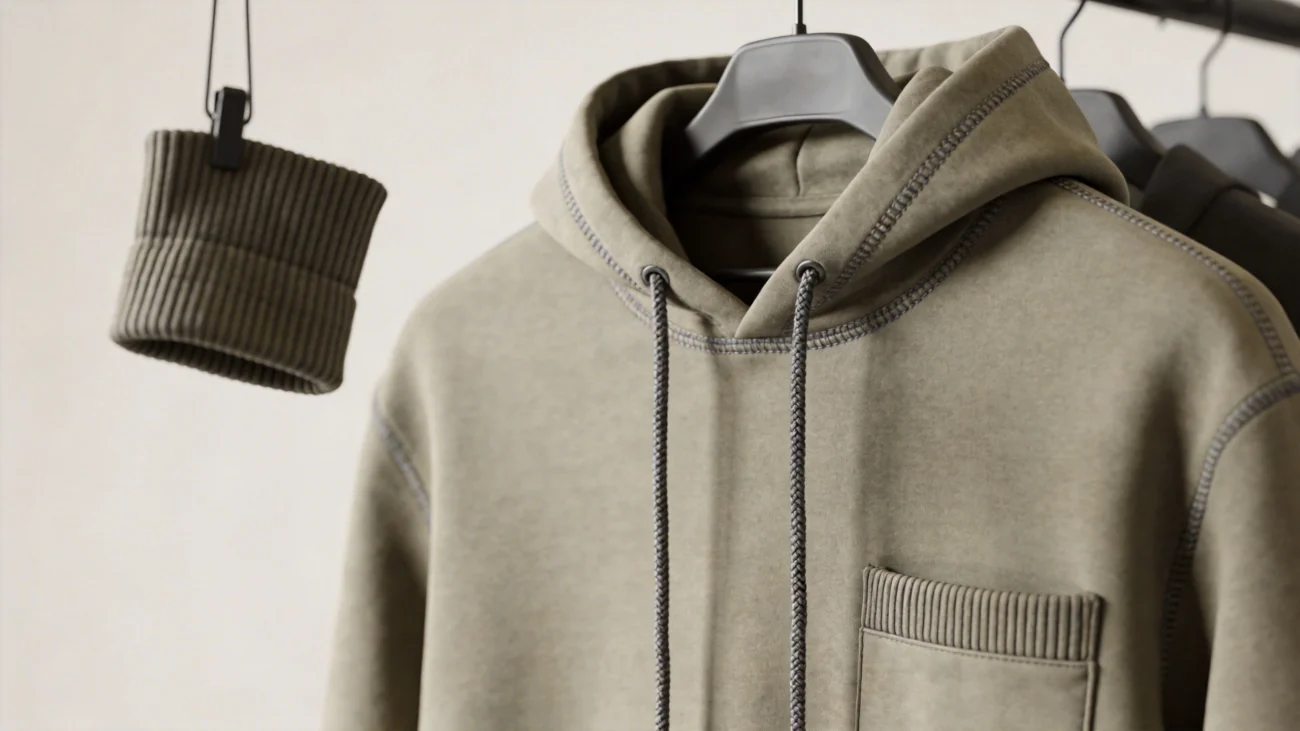
Details like double-needle stitching at the shoulders, 2×2 ribbed cuffs, and a reinforced kangaroo pocket significantly extend lifespan. A slightly tighter cuff—about 6–7 cm wide—keeps sleeves from sliding over your hands. Metal-tipped drawstrings resist fraying and look more refined than raw ends. These small upgrades help the hoodie hold its shape after 30–40 wash cycles instead of sagging prematurely.

3

Choosing the Right Essentials Hoodie Fit for Your Body and Style

Choosing the Right Essentials Hoodie Fit for Your Body and Style

Choosing the right fit for your essentials hoodie starts with your body type and personal style. Slim fits work well under jackets, regular fits suit most men and occasions, while relaxed fits lean more casual. Pay attention to shoulder seams, body length, and how the hoodie drapes when you move.

Fit is where most men either unlock a flattering essentials hoodie or end up looking sloppy. The same size can read completely differently depending on shoulder width, torso length, and intended style. Understanding the difference between slim, regular, and oversized cuts lets you choose silhouettes that work with your proportions and wardrobe.

Matching Fits to Body Type

Men with broader chests or athletic builds often look best in regular fits that leave 5–7 cm of ease around the torso. This avoids the cling that highlights midsection softness while still tracing your frame. Slim cuts with narrower shoulders can work for leaner men, but only when the hoodie hits around mid-fly; anything longer tends to exaggerate skinniness and throw off proportions.

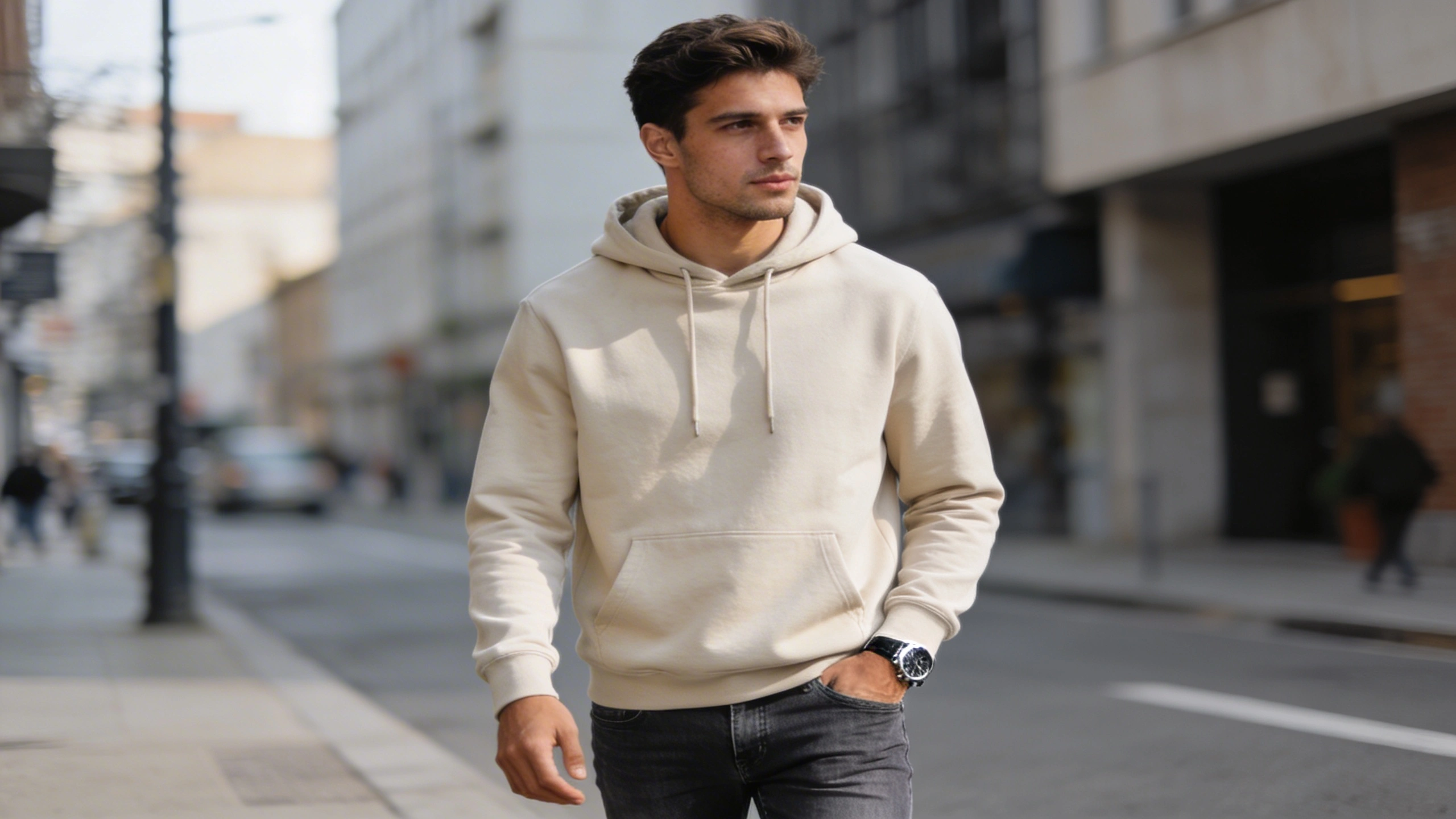
For most guys, the sweet spot is a hoodie that sits just below the belt, with shoulder seams ending at the actual shoulder bone. This creates a clean line that flatters without looking tight, and it layers under jackets without bunching or ballooning at the hem.

Choosing Fits for Different Style Goals

If you lean streetwear, an oversized hoodie—one to two sizes up, with dropped shoulders—pairs well with wide-leg cargos or relaxed denim. For smart-casual wardrobes, a regular fit that skims the body works better under structured coats. Decide whether you want your hoodie to feel like a base layer, a mid-layer, or the main event, then size accordingly.

4
capsule wardrobe

Best Colors for an Essentials Hoodie in a Men’s Capsule Wardrobe

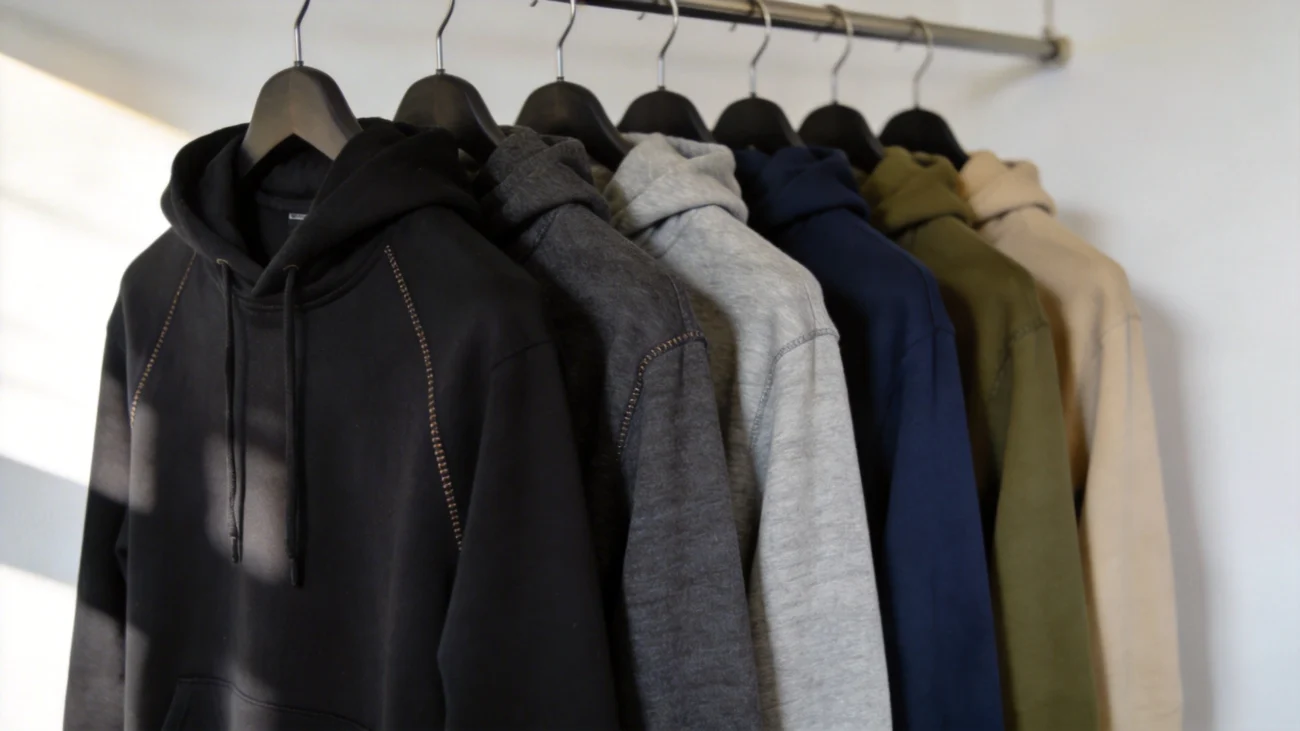
Color choice determines how often you can wear your essentials hoodie without people noticing repeats. Capsule wardrobes rely on neutral tones that mix with most trousers, sneakers, and outerwear. Focusing on blacks, greys, navy, and earthy tones like olive or tan maximizes combinations while keeping your outfits cohesive and understated.

Best Colors for an Essentials Hoodie in a Men’s Capsule Wardrobe

The difference between an average hoodie and a true essentials hoodie is in the fabric and details. Look for soft yet durable cotton blends, clean stitching, and a hood that sits neatly instead of sagging. Ribbed cuffs, a structured hem, and quality drawstrings all help the hoodie hold its shape over time.

Core Neutrals That Do the Heavy Lifting

Mid-grey and charcoal hoodies hide lint and minor stains better than pure black, while still pairing with black jeans and navy jackets. Navy works especially well with light-wash denim and khaki chinos, creating contrast without screaming for attention. Owning one dark neutral and one lighter tone—like heather grey—covers most situations from office commutes to weekend errands.

Using Earth Tones Without Limiting Versatility

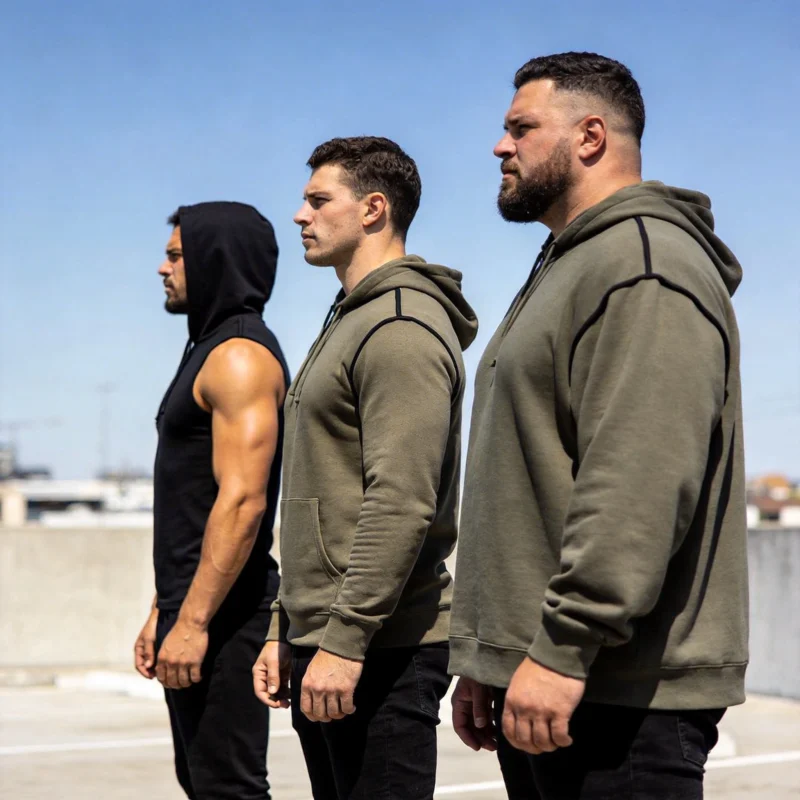
Earth tones such as olive, taupe, and muted brown add personality while staying easy to style. An olive essentials hoodie looks strong with black cargos, tan overcoats, or white sneakers, offering three distinct moods. Keep saturation low; overly bright greens or reds reduce mix-and-match potential and quickly date your wardrobe as trends shift.

5
hoodie for men

Styling an Essentials Hoodie for Men: Casual, Athleisure, and Streetwear

Once you’ve chosen a solid essentials hoodie, styling it across casual, athleisure, and streetwear looks stretches its value. The same hoodie can move from a Sunday coffee run to a low-key bar night by swapping pants and sneakers. Thinking in simple outfit formulas makes building combinations faster, especially when you’re short on time.

Styling an Essentials Hoodie for Men: Casual, Athleisure, and Streetwear

Everyday Outfit Formulas

These formulas show how one hoodie can serve different style lanes just by changing supporting pieces and proportions. Start with a neutral hoodie, then plug in jeans, joggers, or cargos depending on the occasion and comfort level. Pay attention to footwear and outerwear; they often determine whether an outfit feels athletic, casual, or fashion-forward.

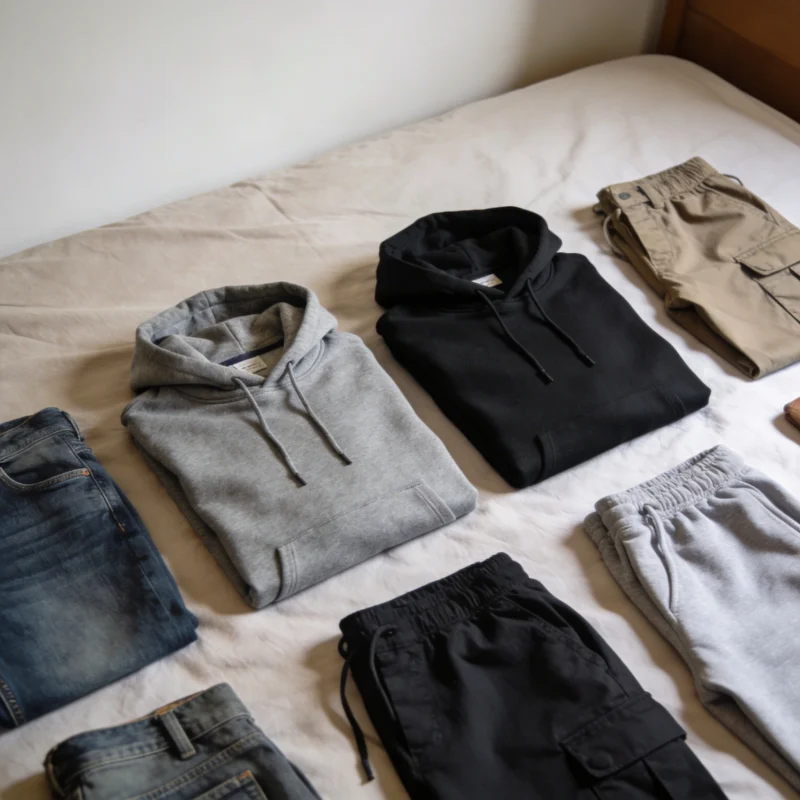
  • Casual: Grey essentials hoodie, slim dark jeans, white leather sneakers, black bomber jacket for evening or cooler days.
  • Athleisure: Black hoodie, tapered tech joggers, running-inspired trainers, lightweight nylon shell for commuting or travel days.
  • Streetwear: Oversized hoodie, wide-leg cargos, chunky sneakers, beanie, and crossbody bag for a balanced, layered silhouette.
  • Smart casual: Navy hoodie under unstructured blazer, tailored chinos, minimalist sneakers, avoiding loud logos or contrast stitching.
6

Layering an Essentials Hoodie Under Jackets and Coats

Layering an essentials hoodie under outerwear adds depth and warmth, but poor choices can create bulk and restricted movement. The key is balancing fabric thicknesses and lengths so hems and collars stack cleanly. A mid-weight hoodie, around 320–360 GSM, usually layers best because it provides structure without overwhelming your jacket’s lining.

Layering an Essentials Hoodie Under Jackets and Coats

Comparing Layering Combinations

The table below outlines how different hoodie weights interact with common jacket styles. It considers comfort range, mobility, and visual balance. Use it to decide which hoodie to grab when pairing with denim, bomber, or wool coats, especially if you live in climates with significant seasonal swings.

Jacket Type Hoodie Weight (GSM) Best Temperature Range (°C) Layering Comfort Notes
Denim jacket 280–320 10–18 Maintains mobility in shoulders; heavier hoodies can feel tight and restrict reaching.
Bomber jacket 300–360 8–16 Ribbed hems stack neatly; avoid overly long hoodies that extend far below waistband.
Leather jacket 280–320 8–14 Thinner hoodies prevent stiff, armor-like feeling and reduce pressure at elbows.
Wool overcoat 320–400 0–10 Heavier hoodies fill space nicely; ensure shoulders aren’t already tight without layers.
Puffer jacket 260–320 -5–5 Too-heavy hoodies plus insulation can overheat quickly, especially on public transport.

For smooth layering, keep hoodie hems within 2–3 cm of your jacket hem or clearly shorter. This avoids awkward peeking that breaks vertical lines. Also check the collar stack: a structured hood should sit inside the jacket collar without bunching, so you can zip or button comfortably without fabric pressing against your throat.

7

Seasonal Guide: When to Wear a Lightweight vs Heavy Essentials Hoodie

Seasonality often gets ignored when buying hoodies, leading to pieces that either sit unused in summer or feel inadequate in winter. Understanding fabric weights and knit types—particularly fleece versus loopback—helps you build a small rotation that covers most temperatures. This way, you avoid overheating indoors while still staying warm outdoors.

Seasonal Guide: When to Wear a Lightweight vs Heavy Essentials Hoodie

Lightweight vs Heavyweight by Temperature

Lightweight hoodies around 250–300 GSM, often made from loopback cotton, breathe better and work well between 15–22°C. Heavyweight fleece hoodies at 400 GSM or more shine between 0–10°C, especially with wind. Mid-weight options around 320–360 GSM are the most versatile, bridging shoulder seasons and layering under coats without feeling excessive.

As a rule, if you’re comfortable indoors at room temperature wearing only a T-shirt, a 250–300 GSM hoodie is enough outdoors down to about 15°C. When temperatures drop toward single digits, stepping up to 350–450 GSM or adding a wind-blocking shell dramatically improves comfort.

Choosing Fabrics for Different Climates

In humid regions, prioritize cotton-rich loopback hoodies with at least 80% cotton and minimal polyester to reduce clamminess. Colder, drier climates benefit from brushed fleece interiors that trap air; blends with 20–30% polyester improve durability and drying time. Owning one lightweight and one heavyweight essentials hoodie usually covers three seasons without needing a huge collection.

8

Care and Longevity: How to Wash and Store Your Essentials Hoodie

Care and Longevity: How to Wash and Store Your Essentials Hoodie

Even the best-designed essentials hoodie loses its shape and softness if you treat it like a gym towel. Proper washing and storage can easily double the lifespan, meaning your hoodie still looks sharp after 50 or more wears. Small changes—like water temperature and drying method—have measurable effects on shrinkage and fading.

Washing and Drying for Maximum Lifespan

Wash hoodies inside out on a gentle cycle at 30°C to reduce color loss and abrasion on the outer surface. Use a mild detergent and skip fabric softener, which can break down elastane in ribbed cuffs. Air-drying flat on a rack prevents the 2–3 cm length shrinkage commonly caused by high-heat tumble drying.

  • Wash every 4–6 wears unless heavily soiled; overwashing accelerates fading and fabric thinning around elbows.
  • Close zippers and tie drawstrings before washing to prevent snagging other garments and stretching eyelets.
  • Spot-clean small stains immediately with diluted detergent, reducing the need for full wash cycles.
  • Use mesh laundry bags for premium hoodies to minimize friction against zippers, buttons, and rough fabrics.

Smart Storage Habits

Fold hoodies instead of hanging them if they’re heavy; a 400+ GSM hoodie can stretch at the shoulders over months. When hanging lighter ones, use wide, contoured hangers at least 2 cm thick. Store in a cool, dry space and avoid cramming them tightly, which causes deep creases that are hard to steam out later.