Polo T Shirts vs Polo Shirts: What’s the Difference and Which to Buy?

Scrolling through product pages and seeing both “polo t shirts” and “polo shirts” can feel like retailers are just playing with words. Yet those small label differences usually signal real changes in fabric, structure, and how formal the shirt looks once it’s on your body.

When you compare polo t shirts and classic polo shirts side by side, the distinctions become practical rather than semantic. A polo t shirt tends to behave like a t‑shirt with a collar, while a traditional polo shirt keeps the structured, slightly dressier DNA of golf and tennis roots. Understanding this helps you avoid buying something too casual or too stiff for your lifestyle.

Because many stores mix these terms, especially in online filters, shoppers often end up with shirts that feel heavier, clingier, or more formal than expected. Looking closely at knit type, collar construction, and side seams gives clearer clues than the name alone. Once you know what those details mean, you can confidently match the right style to your workdays, weekends, and climate.

Below, we break down definitions, fabrics, fits, and use cases, then finish with a buying checklist. Whether you prefer athletic stretch or office‑ready structure, you’ll know exactly what to search for and which labels to trust when choosing between polo t shirts and polo shirts for men.

1
polo t shirts

Defining Polo T Shirts and Classic Polo Shirts

Defining Polo T Shirts and Classic Polo Shirts

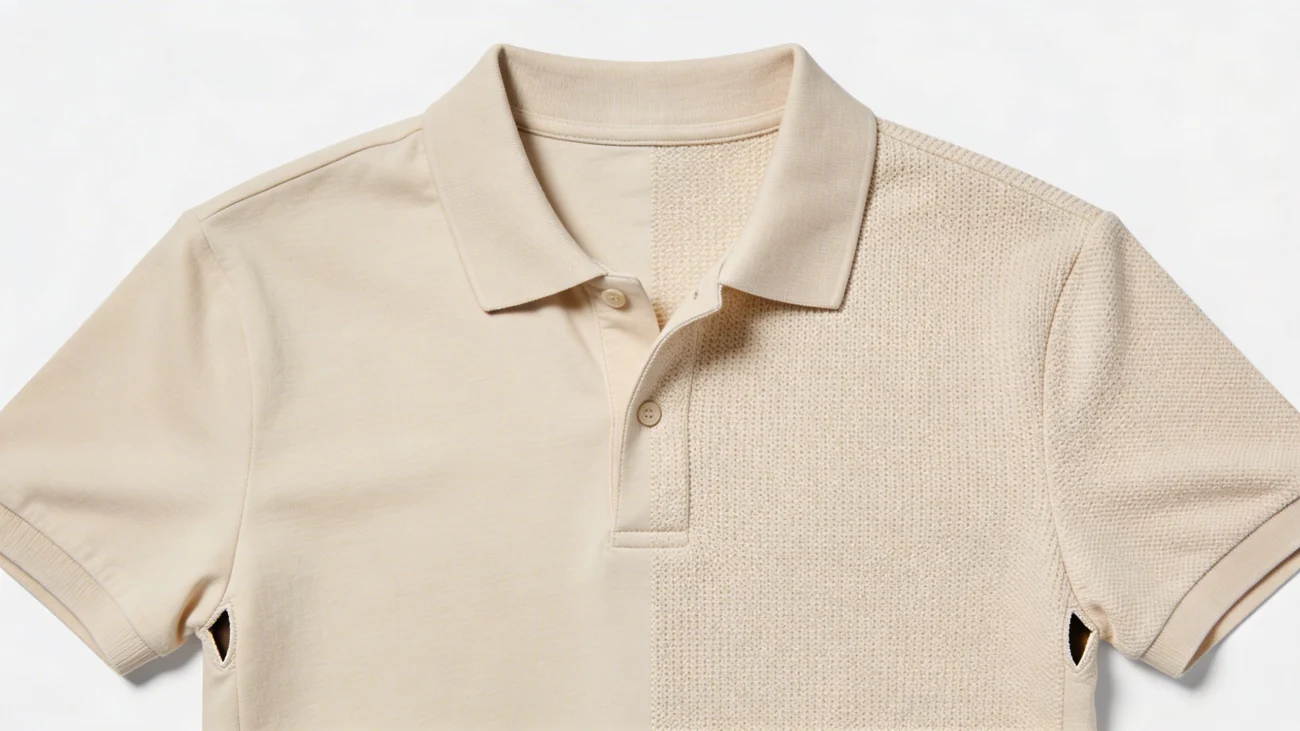
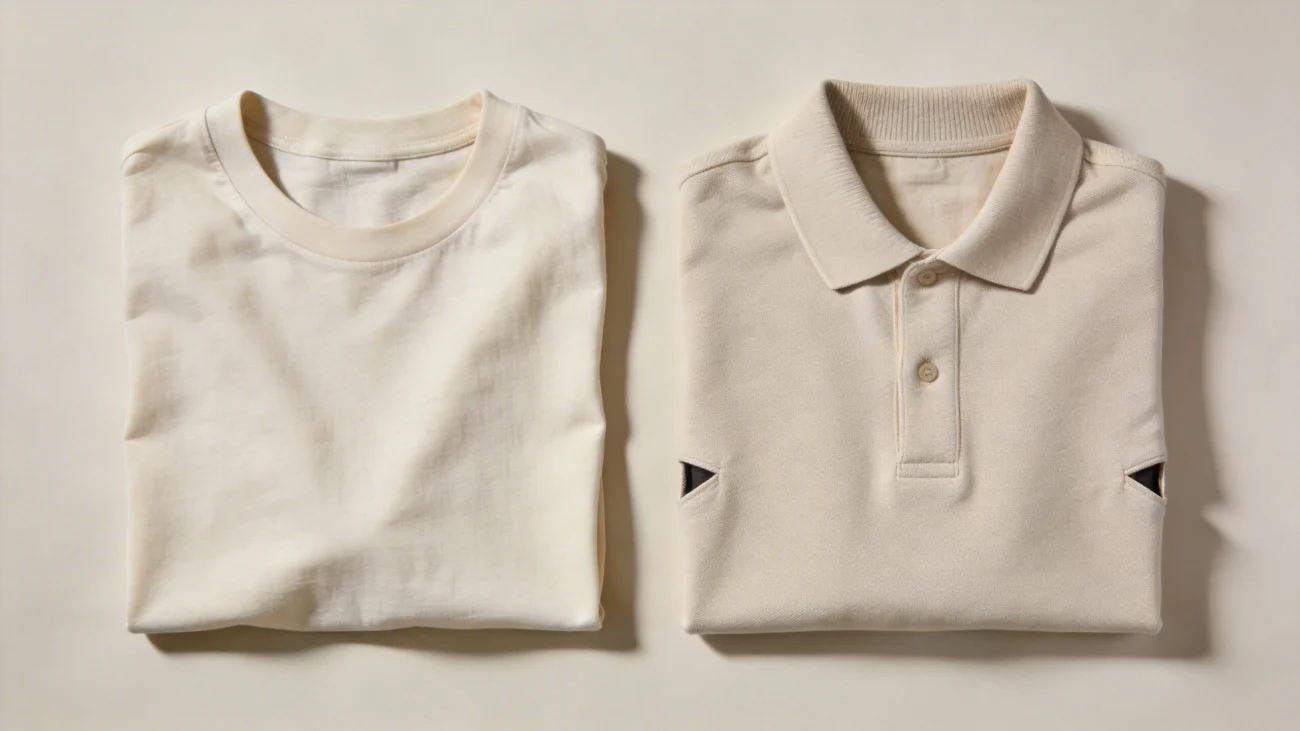
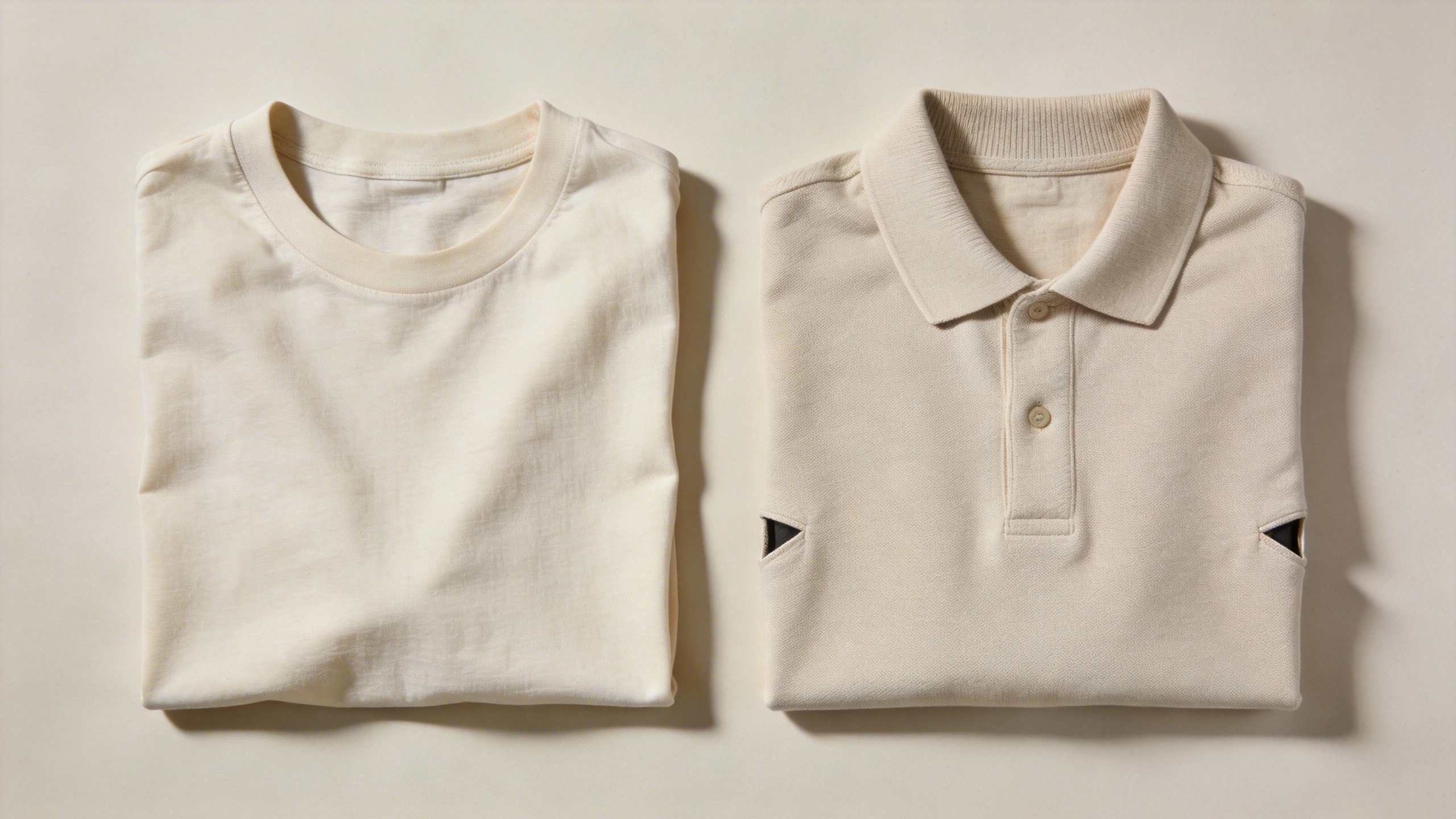
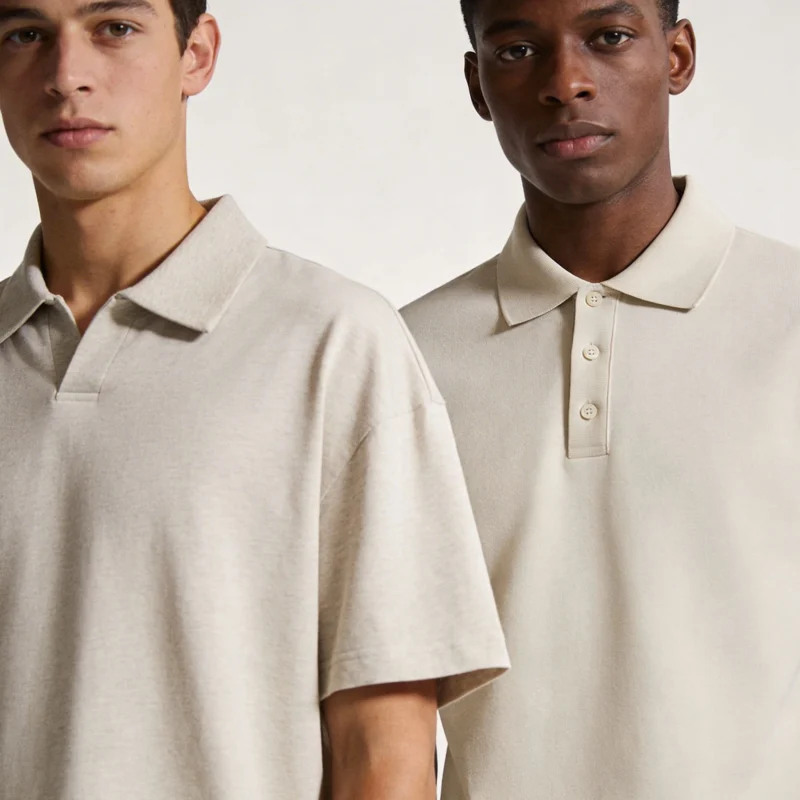
Defining each style starts with how they behave on the body. A polo t shirt drapes like a regular tee, with a softer collar that naturally collapses a bit. A classic polo shirt holds its shape, especially around the collar and placket, giving a neater, more intentional look even with jeans or chinos.

Retailers rarely publish technical definitions, so the difference between polo t shirts and classic polo shirts is mostly about construction conventions. Polo t shirts usually start from a standard jersey tee block, then add a short button placket and collar. Traditional polo shirts are built from more structured knits, with reinforced collars, ribbed cuffs, and side vents to mimic a light woven shirt.

What Is a Polo T Shirt?

A polo t shirt typically uses the same single‑jersey knit you find in everyday tees, often around 150–170 GSM in weight. The collar is usually made from the same fabric as the body, so it lies flat and behaves like a soft band rather than a crisp shirt collar. Because the body is cut like a tee, shoulders and sleeves drape more casually and wrinkle less.

What Is a Classic Polo Shirt?

A classic polo shirt usually follows the template made popular by Lacoste and later Ralph Lauren: a piqué knit around 180–220 GSM, ribbed sleeve cuffs, and a stand collar that holds shape. The textured piqué surface traps a little air, so the shirt feels breathable but more substantial than a tee. Side vents, longer back hems, and firmer interlining in the collar all push it closer to shirt territory.

2
polo shirt

Fabric and Construction: How Polo T Shirts Differ from Polo Shirts

Fabric and construction determine how your polo behaves after 20 washes, not just how it looks on the hanger. Polo t shirts lean on lightweight jersey knits and simpler sewing, which keeps costs down and movement easy. Classic polo shirts rely on heavier piqué or double knit fabrics, reinforced collars, and more paneling, which adds structure, durability, and a slightly sharper appearance.

Fabric and Construction: How Polo T Shirts Differ from Polo Shirts

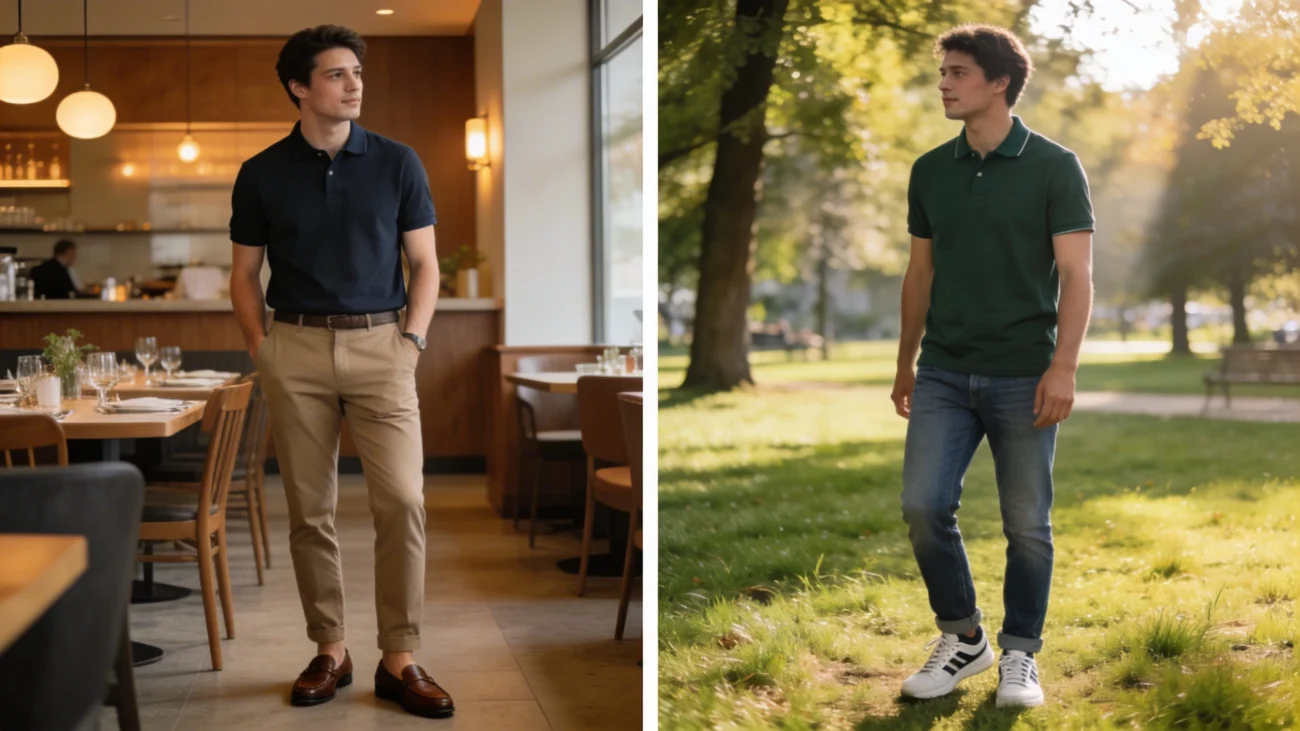
Style and formality are where these shirts really diverge. Classic polo shirts pair easily with chinos, loafers, or even under a blazer for smart-casual dress codes. Polo t shirts lean more casual, working best with jeans, shorts, and sneakers when you want comfort and ease without looking completely underdressed.

Key Fabric and Build Differences

Most polo t shirts use cotton or cotton‑poly jersey with 3–7% elastane, which gives 10–20% stretch across the chest and shoulders. Seams are often overlocked like gym tees, trading formality for flexibility. In contrast, many polo shirts for men use combed cotton piqué without elastane, relying on the knit structure for limited mechanical stretch. This makes them hold shape better but feel less clingy during movement.

Pay more attention to GSM and knit type than marketing names; a 200 GSM piqué polo will generally outlast a 160 GSM jersey polo t shirt by several seasons under similar washing conditions.

Typical Fabric and Feature Comparison

TypeCommon Fabric & GSMCollar ConstructionKey FeaturesTypical Price Range (US)
Polo T Shirt (budget)160 GSM cotton jersey, 0–3% elastaneSelf‑fabric, minimal interliningOverlocked seams, no vents$10–$20
Polo T Shirt (performance)150–170 GSM polyester blendKnit collar, light interfacingMoisture‑wicking, mesh panels$20–$40
Classic Piqué Polo180–220 GSM cotton piquéRib knit, firm interliningRib cuffs, side vents$35–$80
Premium Piqué Polo190–230 GSM mercerized cottonStructured collar, taped seamsMother‑of‑pearl buttons$80–$150
Stretch Piqué Polo180–200 GSM cotton‑elastane piquéReinforced knit collarAdded stretch, slim fit$45–$90

When comparing two products, match their GSM and fabric type to your climate and usage. Hot, humid environments favor 150–170 GSM performance polo t shirts with moisture‑wicking polyester. Cooler offices or air‑conditioned spaces benefit from 190–220 GSM piqué polo shirts, which feel more substantial and pair better with chinos, loafers, and unstructured blazers.

3
polo shirts

Fit and Comfort: Polo T Shirts vs Polo Shirts for Everyday Wear

Fit and Comfort: Polo T Shirts vs Polo Shirts for Everyday Wear

Fit and comfort often determine which style you actually reach for. Polo t shirts typically feel lighter and less restrictive, ideal for warm climates, lounging, or casual errands. Classic polo shirts can feel slightly thicker and more supportive, better for situations where you want polish without committing to a full button-down.

Fit and comfort decide whether a shirt becomes a weekly staple or lives at the back of your drawer. Polo t shirts usually follow t‑shirt sizing, with more forgiving shoulders, straight side seams, and sleeves that fall mid‑bicep. Classic polo shirts often taper 2–4 cm from chest to waist, adding shape that flatters more body types but can feel snug after big meals.

How Each Style Feels on the Body

A polo t shirt in lightweight jersey stretches easily when you reach forward, making it ideal for commuting, carrying backpacks, or working at a desk. The fabric tends to skim rather than grip, especially in regular fits, reducing cling around the midsection. Traditional polo shirts, particularly in slim cuts, hug the upper chest more, which looks sharper under jackets but can highlight any tightness if you size down.

Comfort Considerations Through the Day

Over an eight‑hour day, breathability and seam placement matter more than initial try‑on impressions. Piqué polos allow more air circulation through the textured knit, so sweat patches show less than on smooth jersey. However, thicker collars and ribbed cuffs can feel warm in non‑air‑conditioned spaces. Polo t shirts, with softer collars and looser sleeves, usually feel lighter in hot climates but may show moisture more clearly across the chest and back.

4
Shirts

Style and Formality Levels: When to Wear Polo T Shirts vs Polo Shirts

Both options sit between a crew‑neck tee and an Oxford shirt on the formality ladder, yet they land on different rungs. Polo t shirts skew casual, pairing naturally with joggers, jeans, and sneakers. Classic polo shirts lean smart‑casual, working with chinos, tailored shorts, and loafers, especially in solid colors like navy, white, or charcoal without oversized logos.

Style and Formality Levels: When to Wear Polo T Shirts vs Polo Shirts

Fabric and construction reveal even more. Polo t shirts usually use jersey knit, the same smooth material as many tees, so they feel soft and stretchy. Classic polo shirts often use piqué knit, with a subtle texture and more structure, plus details like reinforced collars and side vents that help them hold their shape.

Formality Scale and Outfit Ideas

Thinking in terms of a scale helps you avoid being under‑ or overdressed. A graphic polo t shirt with a soft collar sits just above a printed tee, ideal for barbecues or errands. A plain piqué polo shirt in a dark color, tucked into chinos with a leather belt, can pass in many business‑casual offices that forbid standard t‑shirts but allow knitwear and clean sneakers.

  • Weekend casual: lightweight polo t shirt, 5‑inch shorts, canvas sneakers, minimal watch for relaxed outdoor plans.
  • Smart‑casual dinner: navy piqué polo shirt, slim chinos, brown loafers, leather belt, subtle fragrance.
  • Creative office: stretch piqué polo, dark jeans, white leather sneakers, unstructured blazer for meetings.
  • Travel day: performance polo t shirt, joggers, slip‑on trainers, light jacket that compresses easily.
  • Golf or club dress code: solid classic polo, tailored shorts, spikeless golf shoes meeting typical course rules.
5

Polo T Shirts for Active and Sporty Looks

Polo t shirts shine when your day involves movement, sweat, or layering under outerwear. Many sports brands offer performance versions using polyester or recycled blends that dry in under 30 minutes after light exercise. Compared with heavier polo shirts for men, these pieces weigh less, pack smaller, and resist wrinkles, making them ideal for gym bags and travel backpacks.

Polo T Shirts for Active and Sporty Looks

Why Polo T Shirts Work for Athleisure

Performance polo t shirts usually include mesh panels at the underarms or back yoke, increasing airflow where you sweat most. Fabric technologies like Nike Dri‑FIT or Adidas AEROREADY disperse moisture across a larger surface area, speeding evaporation. The collar adds a touch of structure, so you can go straight from a 45‑minute workout to a casual café without feeling underdressed in a standard gym tee.

If you exercise outdoors regularly, prioritize UPF‑rated polo t shirts; a UPF 30–50+ fabric blocks roughly 96–98% of harmful UV rays compared with bare skin.

Best Use Cases for Sporty Polo T Shirts

For running errands after the gym, a dark performance polo t shirt hides sweat marks better than light colors. Golfers often choose moisture‑wicking polos with slightly longer backs, preventing exposure during swings. Cyclists commuting to work benefit from quick‑dry fabrics that feel comfortable under a light shell. In all these situations, the polo t shirt’s casual collar bridges athletic function with socially acceptable streetwear.

6

Classic Polo Shirts for Smart-Casual and Work Settings

Classic Polo Shirts for Smart-Casual and Work Settings

Classic polo shirts occupy a sweet spot for offices and events that reject both full suits and plain t‑shirts. Their structured collars sit neatly under unstructured blazers or lightweight bombers, maintaining a visible neckline that resembles a casual button‑down. Because many workplaces now specify “collared shirts” in dress codes, a clean piqué polo often satisfies requirements without feeling overdressed.

Where Traditional Polo Shirts Excel

In business‑casual environments, a solid polo shirt in navy, black, or white pairs well with chinos or wool‑blend trousers. The slightly heavier fabric drapes more cleanly than jersey, avoiding cling around the waist when you sit for long meetings. Small chest logos, like the Lacoste crocodile or Ralph Lauren pony, signal familiarity and polish without dominating the outfit or distracting colleagues.

  • Office days: mid‑weight piqué polo, slim chinos, suede derbies, leather belt, minimal accessories.
  • Client lunches: dark polo shirt, grey dress pants, loafers, optional lightweight blazer for added structure.
  • Smart‑casual dates: fitted stretch polo, tapered jeans, Chelsea boots, subtle bracelet or ring.
  • Summer events: pastel polo, tailored shorts, espadrilles, sunglasses with simple frames.

Managing Formality with Small Tweaks

You can dial formality up or down through simple styling changes. Tucking a polo shirt into trousers with a belt instantly reads sharper than wearing it untucked over jeans. Buttoning two of the three buttons feels neater than leaving everything open. Choosing a collar that stands cleanly without curling, even after 20–30 washes, helps the whole outfit look intentional rather than improvised.

7

How to Choose Between Polo T Shirts and Polo Shirts Based on Your Wardrobe

Deciding between polo t shirts and classic polo shirts becomes easier when you map them against your existing wardrobe. Start by counting how many days per week you dress casually versus smart‑casual. If four or more days lean toward jeans, joggers, and sneakers, polo t shirts will integrate more seamlessly. If you frequently wear chinos, loafers, or blazers, classic polo shirts deserve more hanger space.

How to Choose Between Polo T Shirts and Polo Shirts Based on Your Wardrobe

A Simple Decision Framework

Think in terms of percentages rather than absolutes. Assign about 60–70% of your polos to your dominant lifestyle category and 30–40% to your secondary. For example, a tech worker in a casual office might own four polo t shirts and two classic polo shirts. Someone in sales with frequent client meetings could flip that ratio, owning four structured polos and two sporty versions.

Lifestyle ProfileClimateRecommended SplitSuggested Fabrics
Remote worker, casualWarm, humid70% polo t shirts / 30% polosLightweight jersey, performance blends
Office, business‑casualTemperate30% polo t shirts / 70% polosMid‑weight cotton piqué
Field or sales roleVariable50% polo t shirts / 50% polosStretch piqué, moisture‑wicking
Student, campus lifeMixed seasons60% polo t shirts / 40% polosJersey for layering, light piqué
Frequent travelerChanging60% polo t shirts / 40% polosQuick‑dry blends, wrinkle‑resistant piqué

Consider laundry frequency and storage as well. If you wash clothes only once a week, prioritize durable piqué polos that tolerate more friction without twisting seams. If you live in a small space and fold rather than hang, lighter polo t shirts wrinkle less and recover shape quickly. Matching your mix to lifestyle, climate, and habits prevents unworn pieces from collecting dust.

8

Buying Tips: What to Look for in Quality Polo T Shirts and Polo Shirts

Buying Tips: What to Look for in Quality Polo T Shirts and Polo Shirts

Quality differences between polo t shirts and polo shirts reveal themselves in small construction details. Before buying, check the collar, seams, and fabric weight rather than relying solely on brand names. A good test is to gently tug the placket and collar; if they distort permanently or twist, the shirt may lose shape after a few washes, regardless of whether it’s marketed as premium.

Checklist for Smarter Purchases

Use a short checklist to compare options in‑store or online. Focus on measurable details: GSM, fabric composition, seam finishing, and button quality. Online, many brands now list GSM and fabric blends; if they don’t, customer reviews often mention thickness, shrinkage, and how the collar behaves over time. Prioritizing these specifics reduces the risk of buying polos that feel cheap or age badly.

  • Collar: look for firm interlining or dense knit; it should stand without curling when unbuttoned.
  • Fabric: target 160–180 GSM for hot climates, 180–220 GSM for temperate or air‑conditioned environments.
  • Seams: inspect side seams and shoulders; flatlock or taped seams feel smoother and resist twisting.
  • Buttons: choose securely stitched buttons with cross‑stitching; loose threads signal rushed manufacturing.
  • Shrinkage: favor pre‑shrunk or sanforized fabrics to limit post‑wash shrinkage to around 3–5% in length.

For polo t shirts, prioritize soft, breathable jersey with a touch of elastane if you move a lot or layer frequently. For classic polo shirts, invest in sturdy piqué with clean ribbing at the cuffs and a collar that survives repeated washing. Balancing these construction cues with your budget ensures every polo in your wardrobe earns its place, whether you’re dressing for workouts or workdays.