Prince Coat with Shalwar Kameez: How to Style It Perfectly

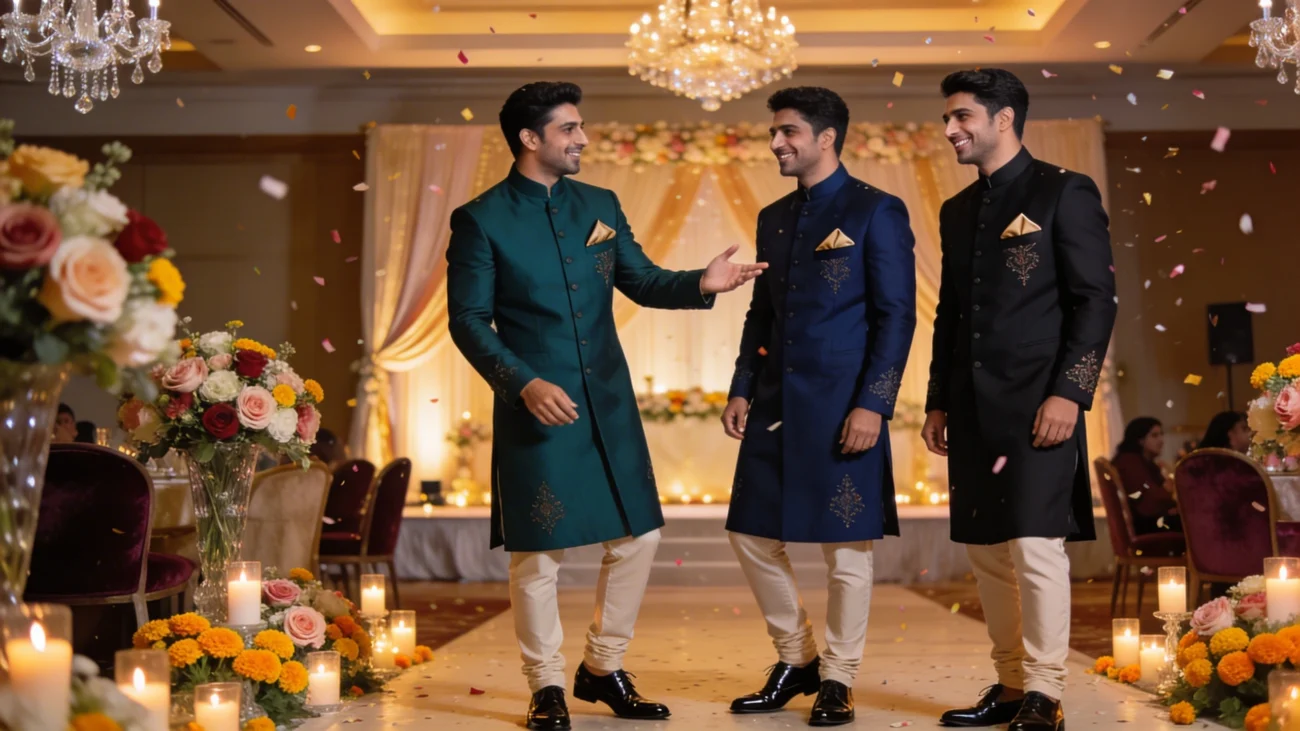
A prince coat with shalwar kameez gives you the elegance of a suit and the comfort of traditional wear, making it ideal for long weddings and formal dinners. When styled correctly, it looks sharper than a basic kurta pajama and less heavy than a sherwani, especially for groomsmen, cousins, or guests.

Choosing a prince coat with shalwar kameez lets you stay rooted in culture while experimenting with modern tailoring and clean coat design lines. The structured shoulders, band collar, and front buttons create a regal frame, while the loose shalwar or tapered pajama keeps movement easy during hours of rituals, dancing, and photos.

Unlike a sherwani, which often demands heavy embroidery and stiff fabrics, a prince coat can be worn again at office parties, Eid dinners, or engagement events by simply changing colors and accessories. Learning the right proportions, color combinations, and footwear pairings helps you extract maximum value from one well-chosen prince coat for men.

This guide breaks down fit, color theory, event-appropriate styling, and seasonal fabric choices so you avoid common mistakes like oversized shoulders, clashing shades, or overly shiny fabrics. By the end, you will know exactly how to build two or three versatile outfits around a single prince coat and rotate them smartly across your social calendar.

1
prince coat with shalwar kameez

Why Choose a Prince Coat with Shalwar Kameez?

Why Choose a Prince Coat with Shalwar Kameez?

When deciding why to choose a prince coat with shalwar kameez, compare it to a basic kurta pajama. The prince coat adds structure, a regal neckline, and visual interest with buttons, while still feeling lighter and more relaxed than a sherwani, making it perfect for groomsmen, cousins, and style-conscious guests.

Pairing a prince coat with shalwar kameez works beautifully for South Asian weddings because it balances ceremony and comfort. The coat’s length, usually 30–34 inches for average-height men, gives a taller, slimmer appearance, while the loose shalwar prevents overheating in crowded halls. This combination feels less restrictive than a three-piece suit worn for six to eight hours.

Comfort and Cultural Versatility

Wearing shalwar kameez with coat instead of a full sherwani allows more flexibility across events, from mehndi to walima. A mid-weight suiting fabric prince coat for men, around 240–280 gsm, drapes well over cotton or lawn kameez. You can reuse the same coat with different colored kameez sets, reducing wardrobe cost while still appearing thoughtfully dressed.

Cost and Reusability Advantages

A heavily embroidered sherwani can cost between PKR 40,000 and 120,000 and rarely gets reused. A well-stitched prince coat between PKR 12,000 and 35,000, in navy, charcoal, or deep maroon, can be reworn with at least four different shalwar kameez combinations. This makes it a smarter investment for students, young professionals, or groomsmen managing multiple events.
2

Finding the Right Fit: Prince Coat with Shalwar Kameez Proportions

Proportions decide whether your prince coat with shalwar kameez looks tailored or borrowed. The coat length should usually end mid-thigh, around 30–32 inches for men 5’7″–5’9″, and 32–34 inches for men above 5’10”. Anything longer starts resembling a sherwani, while shorter lengths can expose too much kameez hem and break the vertical line.

Finding the Right Fit: Prince Coat with Shalwar Kameez Proportions

For formal wedding looks, a prince coat with shalwar kameez strikes the right balance between traditional and modern. Deep jewel tones, subtle embroidery, and sharp accessories like polished shoes or a pocket square make the outfit feel groom-worthy, yet comfortable enough for hours of rituals, photos, and reception celebrations.

Coat Length, Shoulders, and Sleeve Details

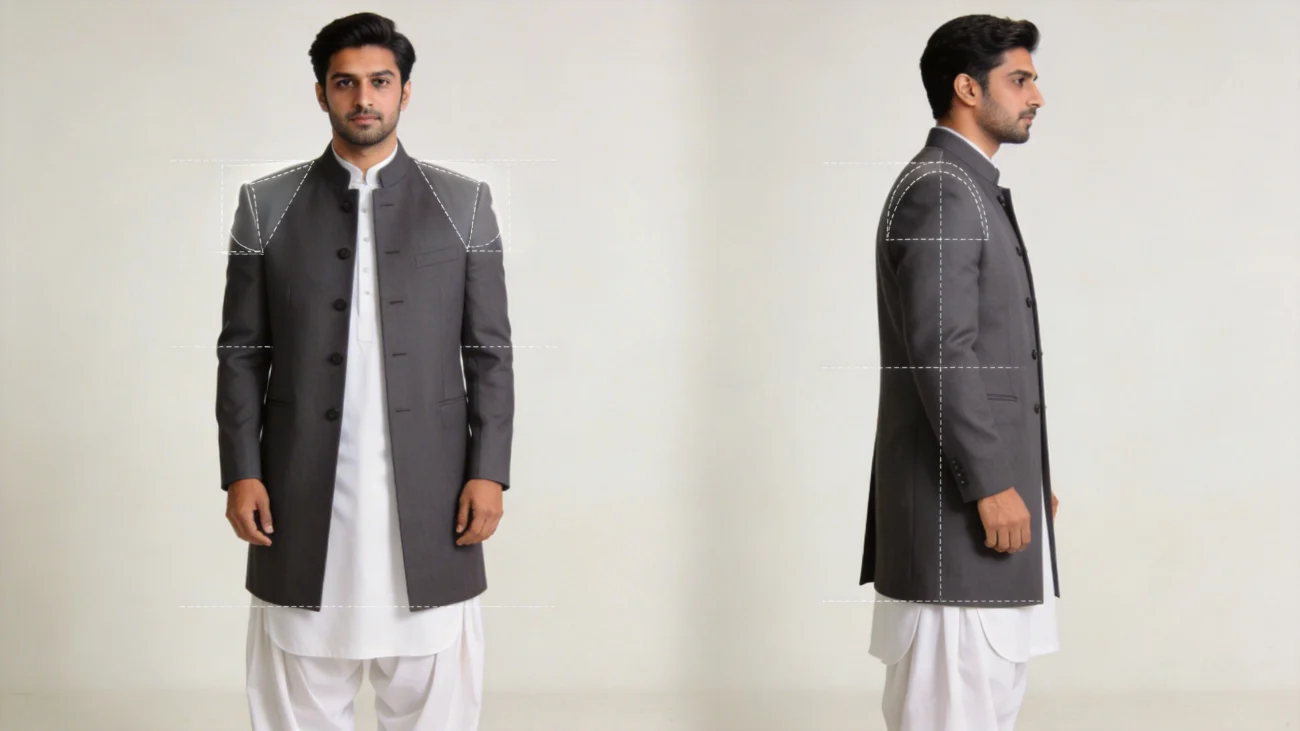
Focus on shoulder seams sitting exactly at the bony edge; even a 1 cm drop creates a droopy, borrowed effect. Sleeves should end just at wrist bone, allowing 0.5–1 cm of kameez cuff to peek when you move. A slightly tapered waist, reduced by 3–4 cm from chest measurement, shapes the torso without restricting namaz or sitting cross-legged.

Shalwar Kameez Cuts That Layer Cleanly

Choose a straighter kameez, with side slits starting around 3–4 inches below the hip, to prevent bulk under the coat. The shalwar should have moderate volume; an ankle opening around 8–9 inches avoids ballooning under slim prince coat design lines. If you prefer a pajama, keep it slightly tapered but not skinny, so the silhouette remains traditional yet sharp.

3

Color Matching Basics for Prince Coat with Shalwar Kameez

Color coordination determines whether your outfit looks cohesive or chaotic in wedding photographs. When pairing a prince coat with shalwar kameez, think in two directions: tonal harmony, where coat and kameez are in similar shades, and contrast, where the coat is clearly darker or richer. Both approaches work if you balance saturation, fabric sheen, and your skin undertone.

Color Matching Basics for Prince Coat with Shalwar Kameez

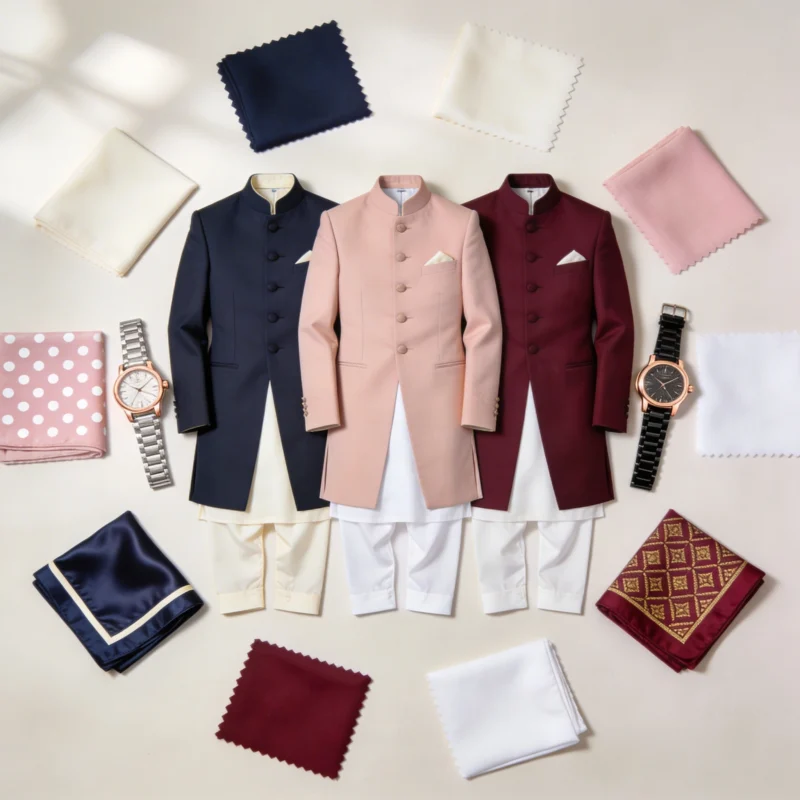
Color matching your prince coat with shalwar kameez can transform the outfit from ordinary to refined. Neutral bases like ivory or white pair effortlessly with navy, charcoal, or maroon coats, while pastel coats work well for daytime events. Repeating tones in your pocket square, shoes, or watch strap creates a cohesive, polished look.

Contrast and Tonal Pairings

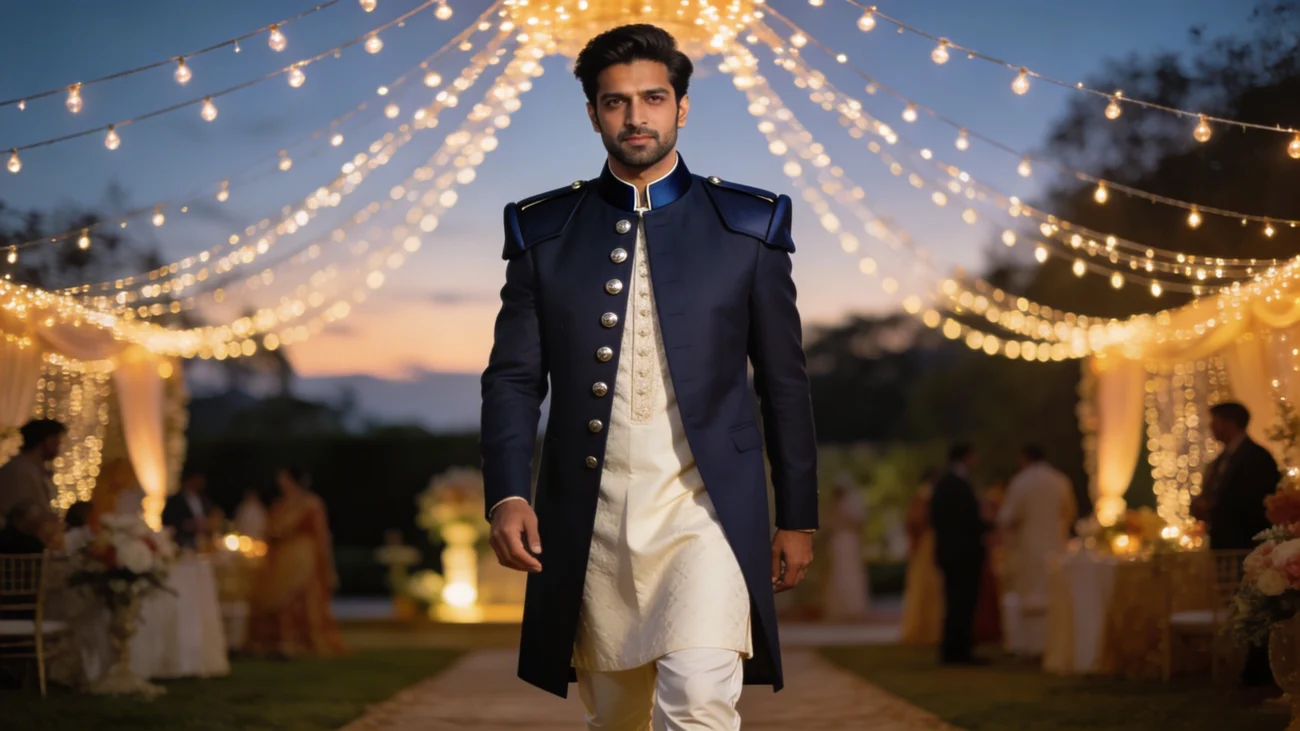
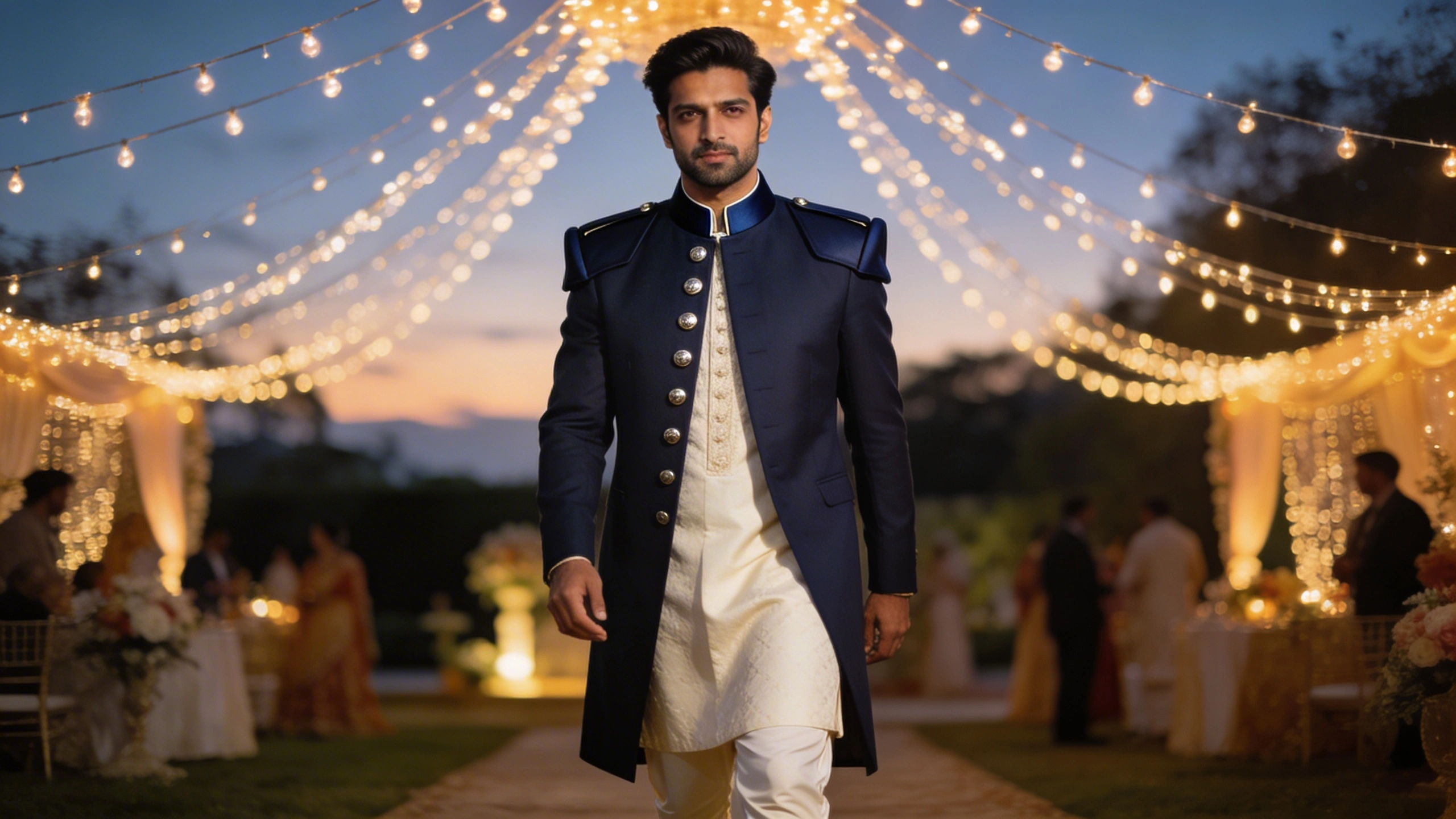
For evening weddings, a navy or charcoal prince coat for men over off-white or cream shalwar kameez creates a timeless, photograph-friendly contrast. Daytime events suit lighter coats in beige, light grey, or pastel blue over white or ivory. Avoid pairing very shiny fabrics together; if the coat has a subtle sheen, keep the kameez matte cotton or blended lawn for balance.

Color Coordination Table for Skin Tones

Use the table below to quickly match coat design colors and kameez tones based on skin undertone and event timing, helping you avoid combinations that wash you out or appear too loud in daylight. These pairings work well with standard wedding lighting and common décor palettes seen in Pakistani and Indian venues.

Skin Undertone Event Time Prince Coat Color Shalwar Kameez Color Effect in Photos
Warm (wheatish) Evening reception Deep maroon or bottle green Cream or light beige Rich contrast, enhances warmth without looking darker
Cool (fair, pink) Day mehndi Navy or steel blue Off-white or pale grey Balances redness, avoids oversaturated yellows
Neutral (olive) Night walima Charcoal or midnight blue Ivory or light taupe Sleek, slimming effect under bright stage lights
Deep (dark brown) Day nikah Emerald or royal blue Soft cream or sand Vibrant yet dignified, strong camera presence
Warm (wheatish) Indoor dinner Chocolate brown Off-white or pastel peach Subtle, sophisticated warmth for intimate gatherings

Once you identify your undertone, keep two or three reliable combinations and repeat them with minor tweaks in texture or accessories. This approach simplifies shopping and ensures every new prince coat you buy integrates seamlessly with existing shalwar kameez sets, reducing impulse purchases and mismatched outfits.

4

Formal Wedding Looks: Prince Coat with Shalwar Kameez for Men

For weddings and receptions, the prince coat with shalwar kameez can approach sherwani-level formality without the weight and stiffness. The key is upgrading fabrics and details: think jacquard weaves, subtle brocade, or fine tropical wool for the coat, paired with crisp cotton-silk blend kameez. These materials photograph well under LED stage lighting and resist wrinkling during long ceremonies.

Formal Wedding Looks: Prince Coat with Shalwar Kameez for Men

Getting the proportions right is crucial with a prince coat and shalwar kameez. The coat should skim the body without pulling at the buttons, end around mid-thigh, and sit cleanly on the shoulders. Pair it with a neatly tapered shalwar or pajama so the overall silhouette looks balanced, not bulky or sloppy.

Groom, Brother, and Groomsman Styling Ideas

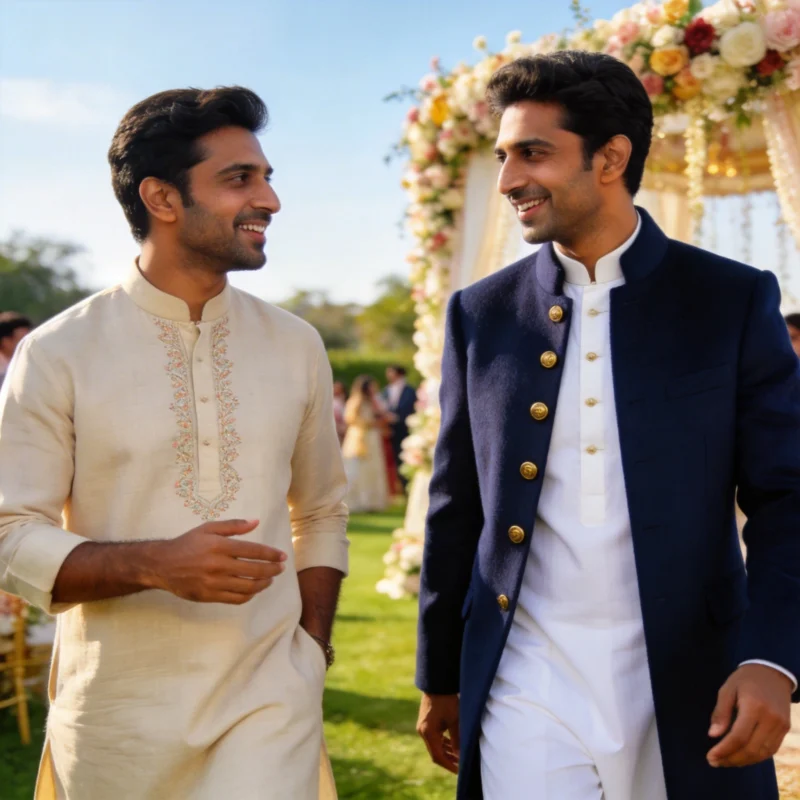
A groom can choose a slightly longer coat, around 34 inches, in rich tones like maroon or bottle green with understated embroidery on the collar and placket. Brothers and cousins should dial back embellishment by 30–40%, using plain or lightly textured coats. Matching pocket squares or lapel pins can visually connect the male side of the family without looking like identical uniforms.

Formal Wedding Detailing Checklist

Use a simple mental checklist to build a complete formal look around your shalwar kameez with coat. Prioritize three focal points—fabric, buttons, and accessories—so the outfit feels intentional rather than randomly assembled from separate pieces bought at different times.

  • Choose mid- to high-sheen fabrics like jamawar or blended silk for the coat, keeping the kameez matte for balance.
  • Upgrade to metal or fabric-covered buttons, around 1.5–2 cm diameter, instead of basic plastic shirt buttons.
  • Add a pocket square folded cleanly, showing 1.5–2 cm, matching either kameez or bride’s accent color.
  • Coordinate a slim brooch or lapel pin, 3–5 cm long, avoiding oversized, dangling designs that pull the fabric.
  • Ensure the shalwar length just kisses the top of your shoes, preventing fabric puddling in wedding photographs.
5

Semi-Formal and Casual Ways to Wear Prince Coat with Shalwar Kameez

The same prince coat for men can be dressed down for dinners, Eid prayers, or office events by simplifying fabrics and accessories. Swap heavily embroidered kameez for plain cotton or blended lawn, around 120–150 gsm, which breathes better in crowded indoor spaces. Keeping the coat unembellished and focusing on clean tailoring makes the outfit appropriate for less ceremonial gatherings.

Semi-Formal and Casual Ways to Wear Prince Coat with Shalwar Kameez

Everyday and Festive Dinner Pairings

For a semi-formal dinner, pair a navy or charcoal coat with white shalwar kameez and leather loafers instead of formal oxfords. Unbutton the top one or two buttons of the coat when seated to avoid fabric pulling across the stomach. A simple leather-strap watch and no brooch keeps the look relaxed yet sharper than wearing only a kurta pajama.

Casual Styling Table: Dress-Down Ideas

Use these combinations to convert a wedding-appropriate prince coat into a more casual outfit. Adjusting fabrics, footwear, and accessories lets you wear the same coat across multiple settings without appearing overdressed or repetitive in photos shared on social media by different friend groups.

Occasion Prince Coat Fabric Kameez Fabric Footwear Choice Accessory Focus
Eid prayers Lightweight tropical wool Cotton lawn, white Brown leather sandals Simple tasbeeh bracelet, no brooch
Office dinner Blended suiting, matte Off-white cotton Black penny loafers Metal watch, folded pocket square
Family dawat Poly-viscose blend Pale grey cotton Tan moccasins Minimal ring, subtle fragrance
University farewell Textured jacquard Cream blended fabric Clean white sneakers No tie, small lapel pin
Nikah at home Soft brocade Ivory cotton-silk Brown lace-up shoes Pocket square, slim brooch

Rotating through these combinations ensures your prince coat never feels limited to weddings only. By consciously dialing accessories up or down, you maintain cultural elegance while matching the energy and formality level of each gathering, from intimate family events to larger community functions.

6

Footwear and Accessories That Elevate Prince Coat with Shalwar Kameez

Footwear and Accessories That Elevate Prince Coat with Shalwar Kameez

The right footwear and accessories can upgrade a simple shalwar kameez with coat into a polished, camera-ready outfit. Because the prince coat already adds structure, you do not need many extras; instead, focus on three or four high-impact items. Prioritize quality leather shoes, a good watch, and one or two subtle accents like a pocket square or brooch.

Footwear Choices for Different Events

For formal weddings, leather oxfords or closed khussa in black or dark brown work best, especially with darker coats. Semi-formal dinners allow loafers or sleek moccasins, while clean white sneakers can work for younger men at casual university events. Always match belt and shoes within one shade range to avoid drawing attention downward in full-length photographs.

Accessory Essentials List

Think of accessories as tools to either emphasize tradition or introduce a modern twist. Choosing two or three from the list below keeps the outfit balanced; wearing everything together can feel costume-like, especially with already ornate coat design details or heavy embroidery on the kameez neckline and cuffs.

  • Use a metal-strap watch, 38–42 mm case, for formal weddings; switch to leather straps for semi-formal dinners.
  • Add a pocket square in cotton or silk, coordinating with either kameez or bride’s color palette, never both simultaneously.
  • Wear a small brooch or lapel pin, under 5 grams, to avoid pulling the prince coat fabric or distorting the chest area.
  • Consider a slim chain or tasbeeh-style bracelet, 18–20 cm length, keeping other wrist accessories minimal or completely absent.
  • Match metallic tones—silver or gold—across watch, cufflinks, and brooch to maintain a cohesive, intentional appearance.
7

Common Styling Mistakes with Prince Coat and Shalwar Kameez

Many men invest in a good prince coat for men but lose impact through small styling errors. Oversized shoulders, excessively shiny fabrics, and clashing colors between coat and shalwar kameez can make an expensive outfit look cheap. Avoiding a few frequent mistakes ensures your overall look appears tailored, intentional, and proportional in both real life and photographs.

Common Styling Mistakes with Prince Coat and Shalwar Kameez

Fit, Length, and Layering Errors

One common issue is choosing a coat that is too long, nearly reaching the knees, which visually shortens the legs and mimics an ill-fitted sherwani. Another mistake is wearing an overly flared shalwar that bunches under slimmer coat design lines. Always test sitting, walking, and climbing stairs during fitting to spot pulling, wrinkling, or awkward fabric bunching.

Color, Shine, and Over-Accessorizing

Clashing shades—like bright red coat over lemon-yellow kameez—can overwhelm group photos and clash with venue décor. Combining high-sheen polyester coats with shiny silk kameez creates glare under flash photography. Limit accessories to two or three pieces; wearing a heavy watch, thick bracelet, oversized brooch, and bold pocket square simultaneously distracts from the clean, regal silhouette of the prince coat itself.

8

Seasonal Styling Tips for Prince Coat with Shalwar Kameez

Seasonal Styling Tips for Prince Coat with Shalwar Kameez

Seasonal adjustments keep your prince coat with shalwar kameez comfortable from humid summer mehndis to chilly winter walimas. Instead of owning separate outfits for every weather, focus on fabric weights and inner layers. Choosing breathable or insulating materials in the right gsm range lets you regulate body temperature without compromising the sharp, structured look of the coat.

Summer and Transitional Weather Choices

For summer events above 30°C, pick lightweight tropical wool or poly-viscose blends around 180–220 gsm for the coat, layered over cotton lawn kameez. Skip heavy lining or use half-lining to improve airflow. In transitional months, a 240–260 gsm coat over blended cotton-silk kameez offers enough structure without trapping sweat during crowded indoor functions or outdoor photo sessions.

Winter Layering Strategies

In colder regions or December weddings, consider a slightly heavier coat fabric around 280–320 gsm, possibly with a thin interlining for insulation. Wear a thermal inner vest beneath the kameez instead of bulky sweaters that distort the coat’s shape. Closed shoes with thicker socks and a coordinated shawl draped neatly over one shoulder keep you warm without hiding the coat’s design.

Mastering fit, color, and seasonal fabrics turns the prince coat with shalwar kameez into one of the most versatile outfits in your wardrobe. With a single well-chosen coat, two or three neutral kameez sets, and a small rotation of shoes and accessories, you can cover weddings, dinners, and cultural events while always appearing polished, traditional, and comfortable.