Wedding Prince Coat for Groom: Complete Styling Guide

A wedding prince coat instantly gives a groom a royal, camera-ready presence, especially in South Asian ceremonies packed with color and tradition. When the cut, fabric, and accessories are chosen carefully, this single piece can anchor your entire wedding wardrobe and look luxurious in every photo and video angle.

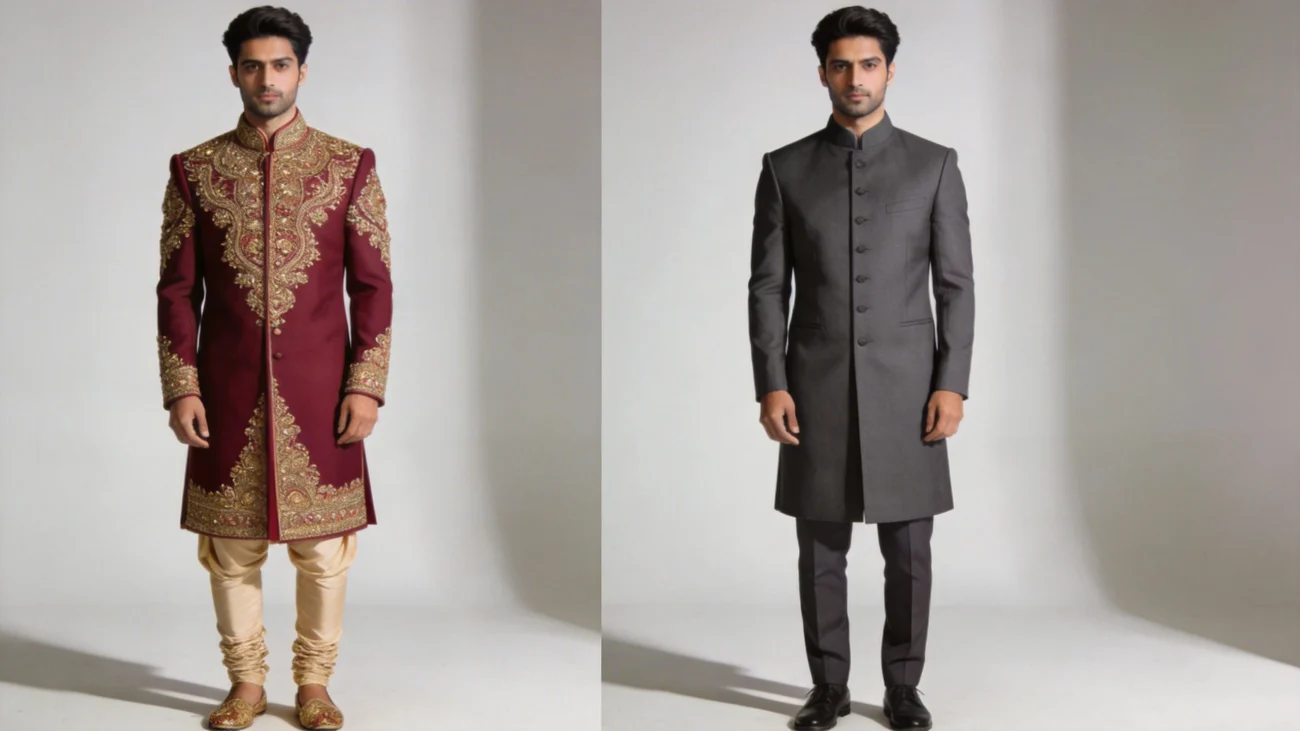
A wedding prince coat for groom combines the structure of a Western blazer with the length and elegance of a sherwani, creating a regal hybrid silhouette. Because it usually ends around mid-thigh, it pairs well with shalwar, churidar, or straight trousers, giving grooms flexibility across mehndi, baraat, and walima events without changing their core style direction.

Designers across Pakistan and India now offer prince coat for men collections that balance embroidery with clean lines, so you can decide how traditional or modern you want to appear. Understanding fabrics, colors, and embellishment levels helps you choose a piece that matches your venue lighting, season, and your bride’s outfit without looking overdone or underdressed.

Instead of copying a random social media look, think about how your prince coat design will work with your body type, height, and posture. Small details like button placement, shoulder padding, and collar height can visually add or subtract 3–4 kilograms or 3–4 centimeters, which significantly affects how confident you feel when walking down the aisle or posing on stage.

1
wedding prince coat

What Makes a Wedding Prince Coat for Groom Unique?

What Makes a Wedding Prince Coat for Groom Unique?

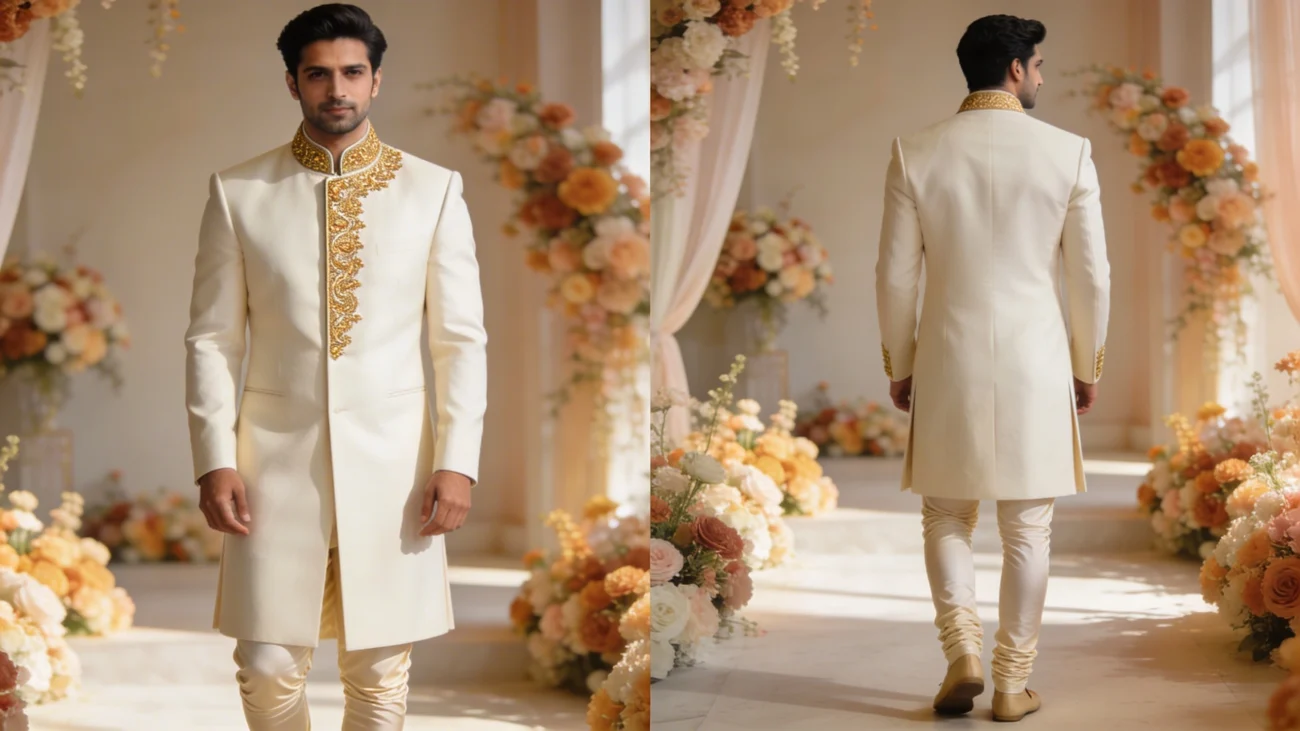
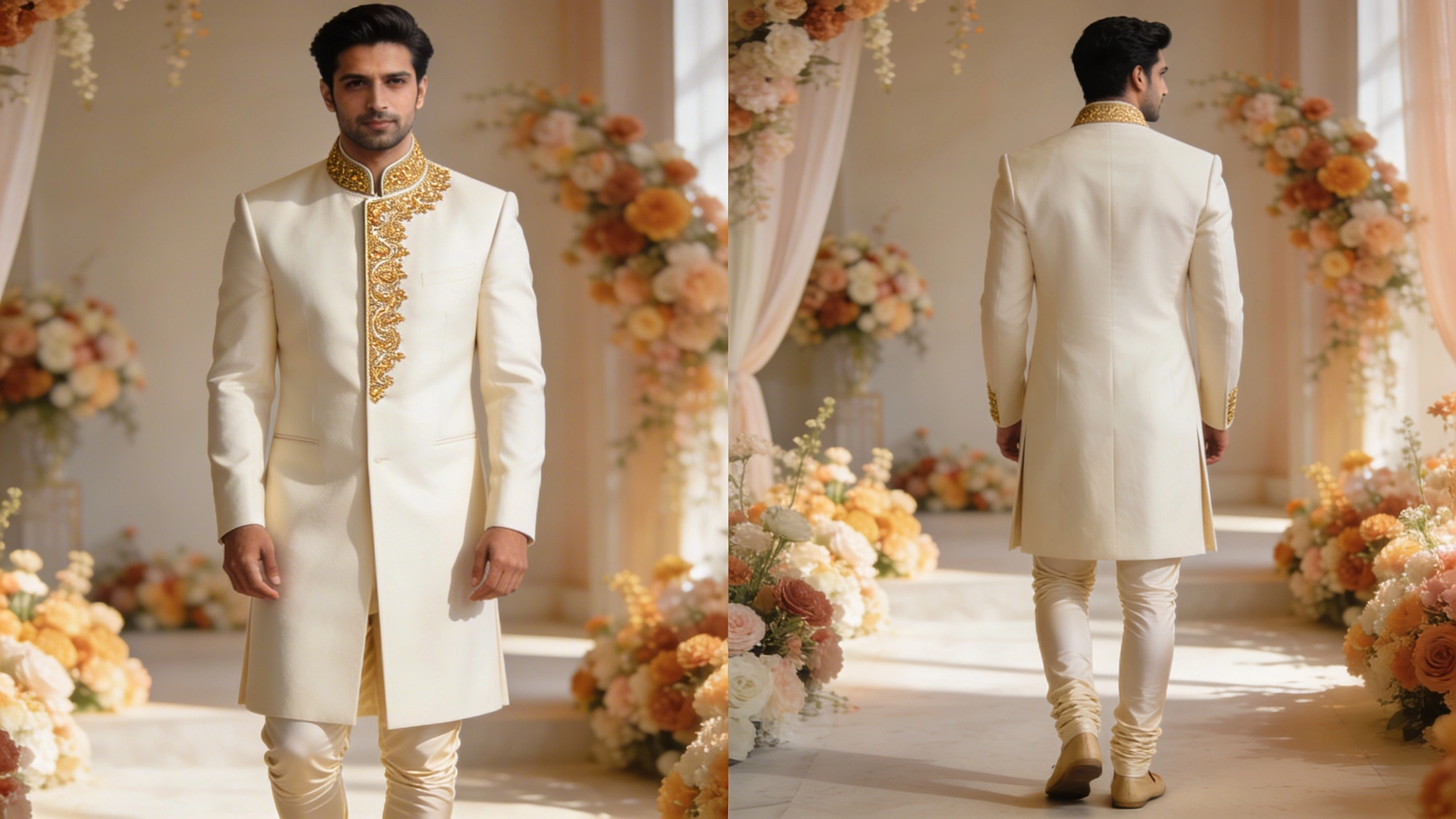
What makes the wedding prince coat unique is its hybrid silhouette: the fitted torso and sharp shoulders of a blazer combined with the longer, streamlined body of a sherwani. Details like a bandhgala collar, covered buttons, and subtle embroidery keep the look regal, while the mid-thigh length ensures ease of movement and contemporary appeal.

A wedding prince coat for groom sits between a sherwani and a suit jacket in terms of structure, giving grooms a tailored yet culturally rooted option. It typically falls 8–12 inches below the hip, which lengthens the torso and looks flattering in full-length photos. This length also hides waistband creases of shalwar or trousers, keeping the front clean and polished.

Signature Silhouette and Construction

The signature prince coat for men usually features a bandhgala or Nehru collar standing 3–4 centimeters high, creating a sharp neck frame for turbans and necklaces. Light shoulder padding shapes the upper body without looking bulky, while a slightly tapered waist (2–4 centimeters in from the chest) creates a V-shape. Side vents or a single back vent allow comfortable sitting on stage sofas and in cars.

Embellishments, Buttons, and Cultural Details

Unlike office blazers, a wedding prince coat often includes hand embroidery on the collar, placket, or cuffs using zari, resham, or micro-sequins. Grooms usually choose 6–8 metallic or fabric-covered buttons, spaced 6–7 centimeters apart, which draw the eye vertically and make the torso appear longer. Subtle motifs—like paisleys, florals, or geometric jaal—can echo family heritage or regional styles without overwhelming the entire outfit.
2

Choosing the Right Wedding Prince Coat for Different Wedding Events

Each wedding event demands a different energy level, so repeating the same heavy wedding prince coat for groom at every function can feel visually tiring. Instead, plan a hierarchy of looks: slightly playful for mehndi, maximal for baraat, and refined for walima. This approach keeps guests engaged and ensures every photo album section feels distinct yet cohesive.

Choosing the Right Wedding Prince Coat for Different Wedding Events

Deciding between a traditional and modern prince coat look comes down to your personal style and wedding theme. Traditional designs lean into rich colors, ornate embroidery, and classic churidar bottoms, while modern versions favor muted palettes, minimal embellishment, and straight trousers, creating a sleeker, more contemporary silhouette that still feels unmistakably formal.

Event-by-Event Styling Strategy

For mehndi, grooms usually prefer lighter fabrics like 220–260 GSM cotton-silk blends with brighter prints or minimal embroidery, allowing easy dancing. The baraat prince coat can be richer, using jamawar or brocade with more surface work, since you mostly walk and sit. Walima outfits often shift toward softer tones and cleaner fronts, which photograph well under hotel ballroom lighting and complement the bride’s reception glam.

Venue, Climate, and Movement Needs

Outdoor farmhouse events in Lahore or Islamabad often run 4–6 hours, so breathable linings and underarm ease are crucial for comfort. Indoor banquet halls with strong air-conditioning can handle heavier interlinings and denser fabrics like velvet without causing sweating. Think about movement: if you expect dhol entrances, choose slightly shorter side slits and a lighter base fabric so your coat doesn’t pull or twist while dancing.

3

Color and Fabric Guide for Wedding Prince Coat Styles

Color and Fabric Guide for Wedding Prince Coat Styles

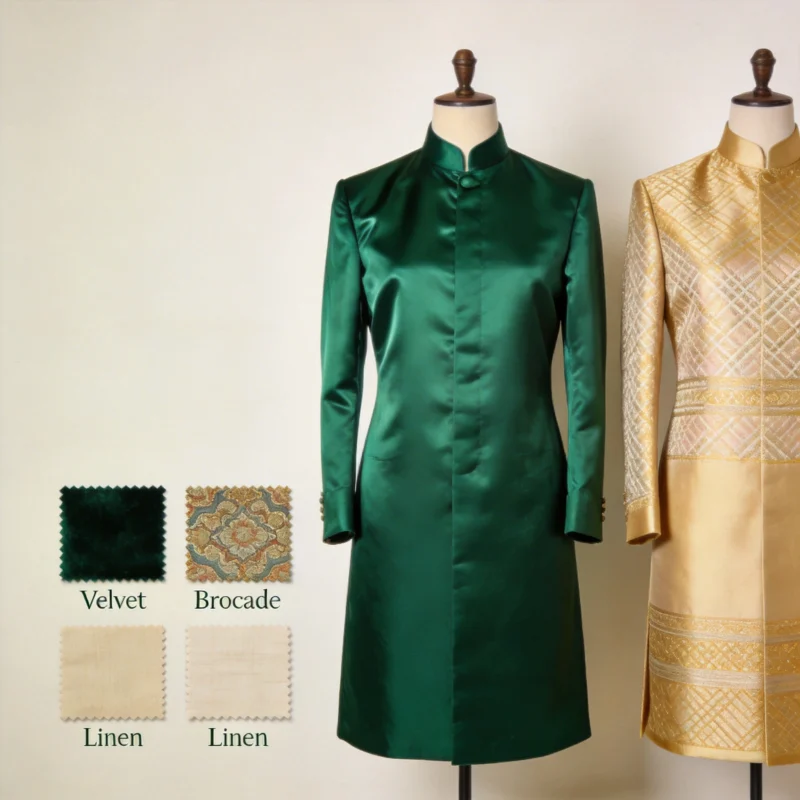
Color and fabric choices dramatically influence how your prince coat photographs and feels throughout the day. Rich raw silk or jamawar in jewel tones suits evening baraats, while lighter pastels in breathable blends work better for daytime or outdoor events. Matching or complementing your bride’s palette ensures both outfits feel visually harmonious in every setting.

The right color and fabric combination can decide whether your wedding prince coat looks expensive or flat in photos. Camera sensors and LED stage lights often wash out pale colors or overexpose shiny materials, so you must balance richness with subtlety. Considering venue lighting, time of day, and your skin undertone prevents last-minute regrets when you see your album or highlight video.

Seasonal Fabric Choices and Comfort

In South Asian climates, fabric weight matters as much as design. For summer or daytime events above 28°C, choose lightweight 180–230 GSM blends like tropical suiting, fine khaddar, or cotton-silk that allow airflow. Winter evenings suit 260–320 GSM fabrics such as velvet, brocade, or wool blends, which drape well and support heavier embroidery without sagging or puckering around the seams.

Color, Lighting, and Skin Tone Coordination

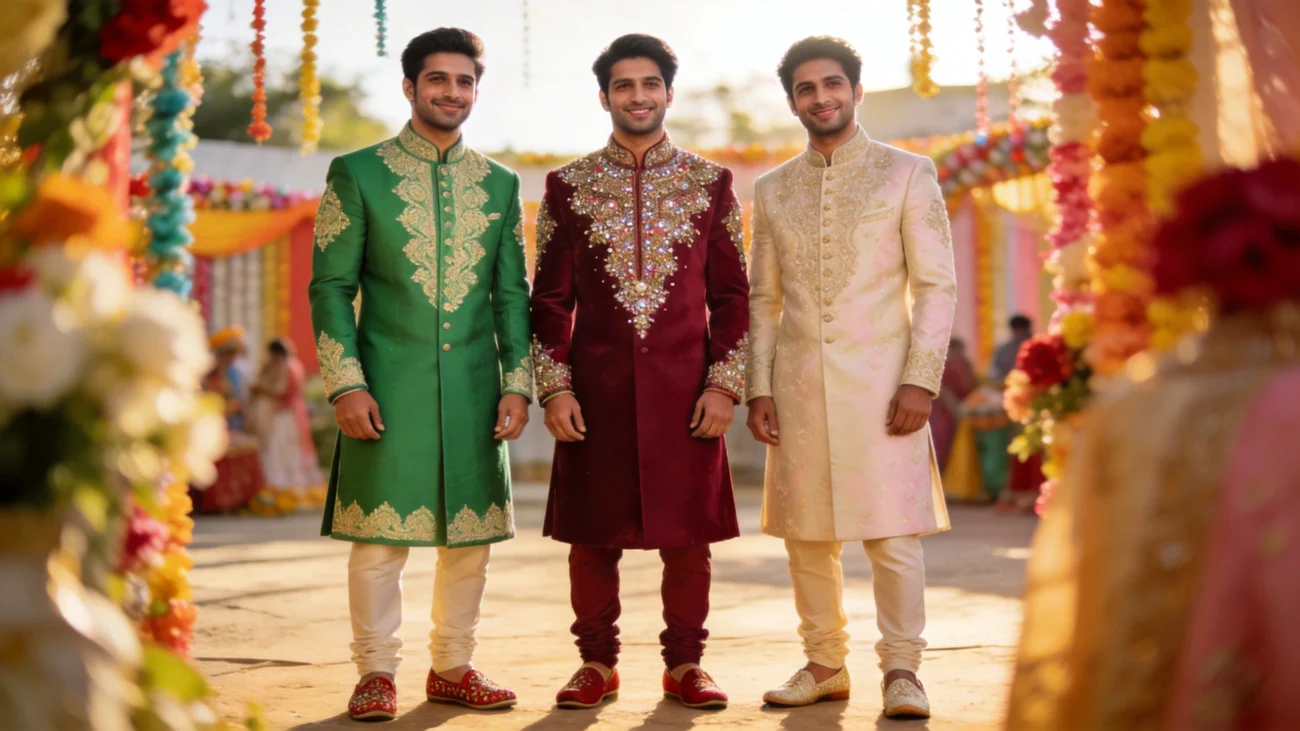
Deeper jewel tones—emerald, maroon, navy—hold their richness under strong LEDs and flash, making them ideal for stage-heavy baraats. Pastels like mint, powder blue, and blush look elegant for daytime walimas or garden engagements, particularly on medium to deeper skin tones. If you have a very fair complexion, slightly warmer off-whites and creams photograph better than stark white, which can look blown out and clinical.

4
prince coat for groom

Traditional vs Modern Wedding Prince Coat for Groom Looks

Choosing between traditional and modern versions of a wedding prince coat for groom depends on your personality, family expectations, and how timeless you want your photos to feel. Classic styles lean into heritage crafts and ornate detailing, while contemporary designs prioritize minimalism and sharp tailoring. Understanding both ends of the spectrum helps you find a balanced middle ground that won’t feel dated in ten years.

Traditional vs Modern Wedding Prince Coat for Groom Looks

Choosing the right prince coat for each wedding event helps you build a cohesive style story. You might opt for a brighter, lightly embroidered design for mehndi, a richly embellished piece for the baraat, and a softer, understated coat for the walima, adjusting accessories and trousers while keeping your overall silhouette consistent.

Traditional, Heavily Embellished Interpretations

Traditional prince coat design often uses jamawar, banarasi, or brocade bases with dense zari and resham embroidery along the front panel, collar, and cuffs. Motifs may cover 40–60% of the visible surface, creating a royal, Mughal-inspired mood. These coats pair beautifully with churidar pajamas, embroidered khussas, and heavy turbans, especially in grand venues like heritage havelis or marble-clad banquet halls.

Minimalist and Fusion-Modern Styles

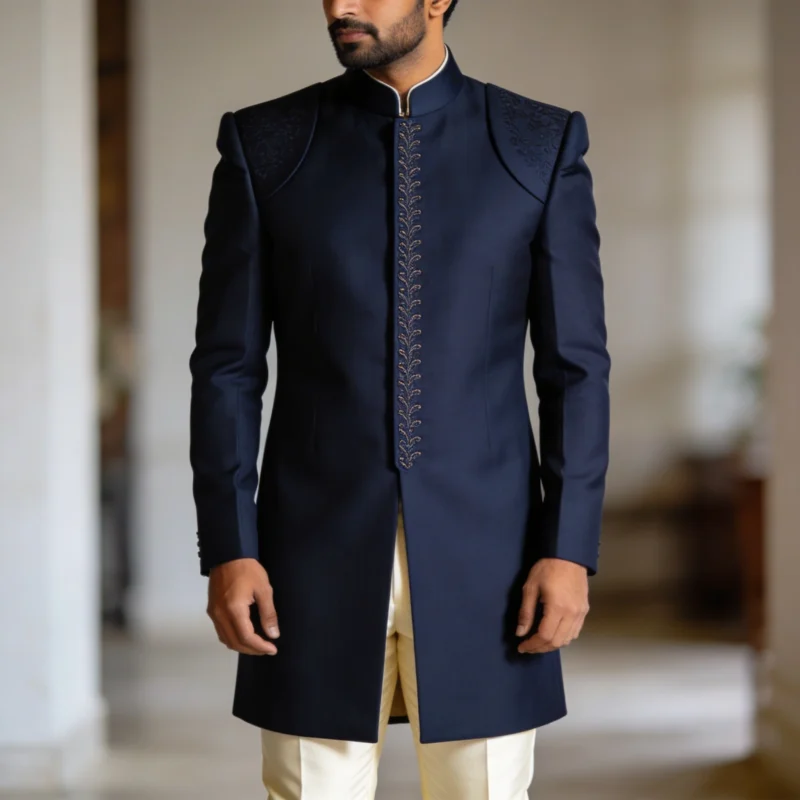
Modern prince coat for men trends favor clean, solid fabrics with interest focused on cut and subtle texture rather than heavy work. Details like hidden plackets, asymmetrical hems, or tonal thread embroidery covering only 10–15% of the surface keep the look sophisticated. These coats layer well over slim trousers and even formal loafers, suiting grooms who attend global weddings or mixed-culture receptions.

5

Accessorizing Your Wedding Prince Coat: Turbans, Shawls, and Footwear

Accessories can elevate or completely overwhelm a wedding prince coat, so every add-on should serve a purpose: balance color, frame the face, or ground the outfit. Since the coat already carries strong vertical lines and buttons, turbans, shawls, and footwear must complement rather than compete. Planning accessories for each event prevents last-minute mismatches or clashing metals in photos.

Accessorizing Your Wedding Prince Coat: Turbans, Shawls, and Footwear

Key Accessories to Complete the Look

When styling a wedding prince coat for groom, treat accessories as modular pieces you can mix across functions. This approach saves budget and keeps your visual identity consistent. The list below shows how each accessory influences proportion, color, and overall impact, with practical pairings you can repeat in future formal events without looking overly bridal.

  • Pagri or turban height around 7–10 centimeters adds regal presence and balances broader shoulders in full-length portraits.
  • Light pashmina or jamawar shawl draped over one shoulder softens structured coats and hides slight fit imperfections gracefully.
  • Leather-sole khussa with 1–1.5 centimeter heel supports long standing hours while maintaining traditional silhouette with shalwar.
  • Layered mala or single rani haar in semi-precious stones frames the front placket without fully covering embroidery details.
  • Pocket square or small brooch introduces bride’s accent color subtly, tying couple’s outfits together in close-up shots.
6

Coordinating the Wedding Prince Coat with the Bride’s Outfit

Coordinating the Wedding Prince Coat with the Bride’s Outfit

Coordinating your wedding prince coat with the bride’s lehenga or saree is less about matching exactly and more about creating a harmonious frame in every photograph. When colors, metals, and embellishment styles align, the couple appears thoughtfully styled rather than coincidentally dressed. Discussing outfits at least 2–3 months before the wedding prevents last-minute dye or accessory changes.

Color, Metal, and Motif Harmony

Instead of copying your bride’s main color, pick one secondary shade or metal tone from her outfit and echo it in your prince coat design. For example, if her lehenga is deep red with antique gold work, a cream or beige coat with antique gold buttons and collar embroidery feels coordinated. Matching jewelry metal—gold, rose gold, or silver—keeps the couple visually cohesive in close-up portraits.

Balancing Embellishment Levels

If the bride’s outfit is heavily embellished, your wedding prince coat for groom should usually be one level simpler to keep her as the focal point. A good ratio is bride at 70–80% surface work, groom at 40–50%, which still feels grand but respectful. For minimalist brides in solid or lightly worked ensembles, grooms can safely choose richer fabrics or bolder accessories without overpowering the overall frame.

7

Tailoring and Fit Tips for a Flawless Wedding Prince Coat

A perfectly tailored prince coat for men can make you look taller, leaner, and more confident, even if you normally dislike formalwear. Since wedding days involve hours of greeting guests, bending for elders, and posing, any tightness or pulling quickly becomes uncomfortable and obvious in photos. Prioritizing proper measurements and trial fittings ensures your coat moves with you instead of against you.

Tailoring and Fit Tips for a Flawless Wedding Prince Coat

Essential Measurements and Fitting Timeline

Schedule your first measurement session at least 6–8 weeks before the main event, allowing time for two trial fittings. Key measurements include shoulder width, chest, stomach, hip, sleeve length, and coat length from high shoulder point to mid-thigh. Ask your tailor to leave 2–3 centimeters of seam allowance at side seams so minor weight changes close to the wedding can be adjusted easily.

Fit Checkpoints Before the Big Day

During the final trial, wear the actual inner kurta or shirt and the same shoes you will use on the day. Sit, raise your arms for a mock hug, and perform a namaste or salaam gesture to check pulling across the back or buttons. The collar should allow at least one finger of space, and the coat hem should stay level without kicking out awkwardly when you walk.

8

Care, Storage, and Reuse Ideas for Your Wedding Prince Coat

After investing in a custom wedding prince coat, treating it well ensures you can reuse it for Eid dinners, siblings’ weddings, or formal receptions. Food stains, sweat patches, and poor storage can permanently damage delicate embroidery or cause fabric discoloration within months. Planning cleaning and storage immediately after events preserves its structure and color vibrancy for years.

Care, Storage, and Reuse Ideas for Your Wedding Prince Coat

Cleaning, Storage, and Cost Overview

Professional dry cleaning is usually necessary for embroidered or structured coats, especially those using silk, velvet, or jamawar. Storing the coat on a wide, padded hanger prevents shoulder dents, while a breathable garment bag protects it from dust and moisture. The table below outlines typical price ranges and timelines you can expect for care and future alteration or reuse.

Service Approx. Cost (PKR) Time Required Recommended Frequency Notes on Fabric Impact
Dry Cleaning (Standard) 800–1,500 2–4 days After each major event Safe for most blends; confirm solvent for silk or jamawar.
Spot Cleaning (Stains) 300–700 1–2 days As needed Address within 24 hours to avoid permanent discoloration or ring marks.
Minor Alterations 1,000–2,500 3–5 days Before reuse Includes waist shaping, sleeve length tweaks, button changes for new look.
Major Resizing 3,000–6,000 5–10 days Every 2–3 years Limited by seam allowance; excessive changes can distort embroidery lines.
Restyling / Pairing 2,000–4,000 3–7 days Per new event New trousers, pocket squares, or shawls refresh overall appearance affordably.

To reuse your prince coat design creatively, pair it with contrasting trousers, different shawls, or simpler accessories for less formal events. For example, swap an ornate turban for neatly styled hair and a slim pocket square when attending a cousin’s nikah. Rotating styling elements like footwear and jewelry lets your coat feel new while honoring the emotional value of your original wedding outfit.