Why Pakistan’s Young Professionals Are Choosing Smart Western Casuals – Beyond Shalwar Kameez

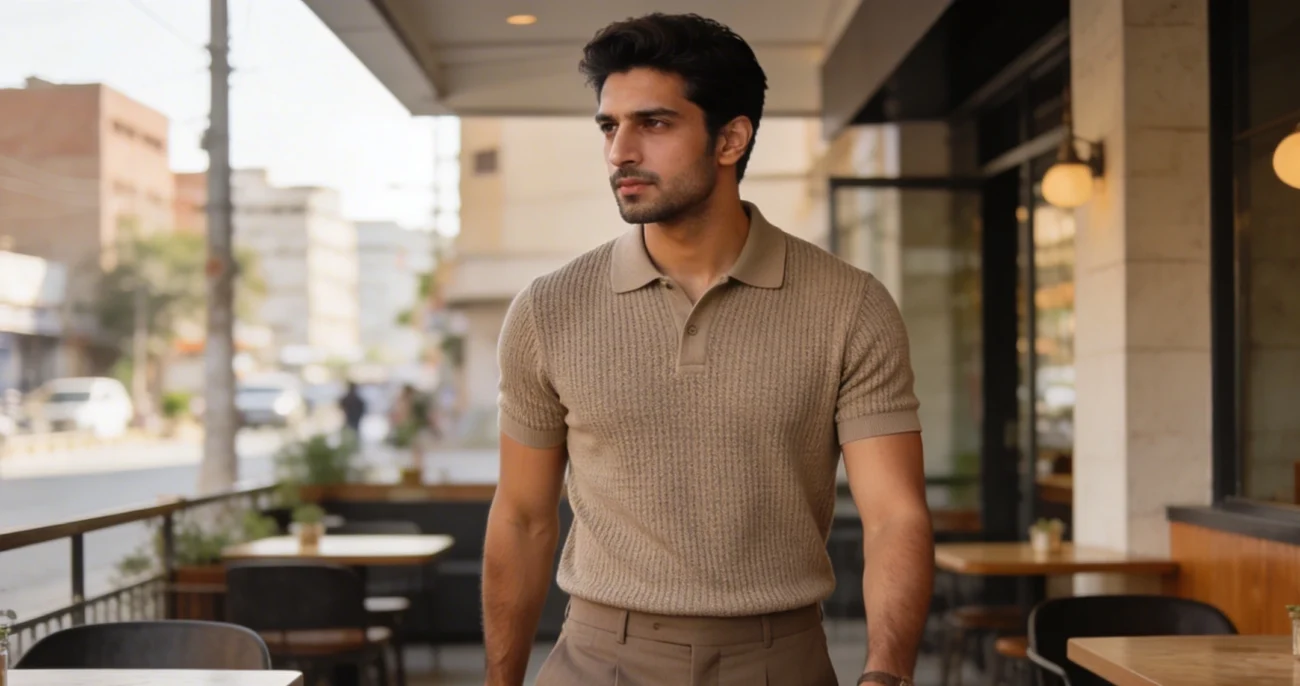
Something is shifting in Pakistan’s corporate corridors, startup hubs, and co-working spaces. Walk into any tech company in Lahore, any consultancy in Islamabad, or any creative agency in Karachi, and you’ll notice it immediately: the shalwar kameez is no longer the default. In its place, you’ll find polo shirts paired with chinos, well-fitted t-shirts under casual jackets, and sweaters layered over collared shirts.
This isn’t about rejecting tradition. It’s about a generation of Pakistani men redefining what professional and presentable means in a rapidly globalising world. They’re not abandoning their identity — they’re expanding it.
This shift raises important questions: Why now? What’s driving this change? And how can you navigate it without losing yourself in the process? Let’s explore the why behind this cultural evolution — and more importantly, the how of doing it right.
The Quiet Revolution in Pakistani Workplaces
Ten years ago, wearing western casuals to a Pakistani office was a statement — sometimes a controversial one. Today, it’s increasingly the norm. But this didn’t happen overnight, and it certainly didn’t happen without reason.
The Startup Effect
Pakistan’s tech boom changed everything. When young founders started raising funding, pitching to international investors, and building globally competitive products, a curious thing happened: the dress code followed. Suddenly, the hoodie-and-jeans uniform of Silicon Valley didn’t seem foreign — it seemed practical.
Startups operate differently. Long hours, informal hierarchies, and a focus on output over appearance created environments where comfort became acceptable. When your CEO wears a t-shirt, the cultural permission shifts for everyone else.
The Multinational Influence
As more Pakistanis joined multinational corporations — or worked remotely for international companies — they encountered dress codes that didn’t include traditional clothing. Video calls with colleagues in London, Singapore, or New York normalised western business casual as a professional standard.
This wasn’t about inferiority or imitation. It was about code-switching — the natural adaptation that occurs when you operate across cultural contexts. The Pakistani professional learned to dress for the room, whether that room was physical or virtual.
The Practicality Factor
Let’s be honest about something often left unsaid: traditional shalwar kameez, while culturally significant and comfortable in specific contexts, presents practical challenges in modern work environments.
- Sitting at a desk for eight hours requires different considerations than traditional social settings
- Modern office chairs, car seats, and co-working spaces weren’t designed with flowing fabric in mind
- Climate-controlled environments change what ‘comfortable’ means throughout the day
- Quick transitions from office to client meetings to evening social events favour more versatile attire
Western casuals — particularly well-fitted pants, structured t-shirts, and layering pieces — solve these practical problems while maintaining a polished appearance.
What Your Clothes Actually Communicate
Clothing is communication. Every outfit sends a message before you speak a word. Understanding this helps explain why western casuals have gained such traction among Pakistani professionals.
The Global Competence Signal
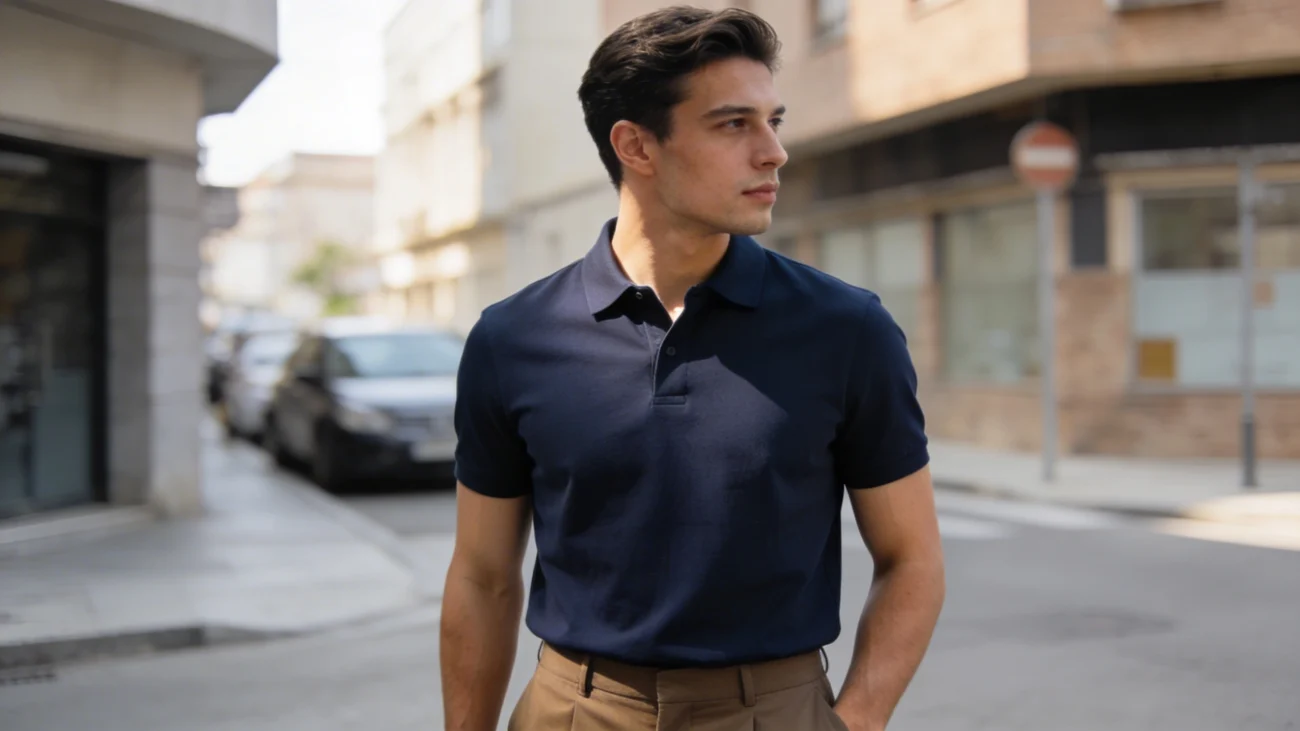
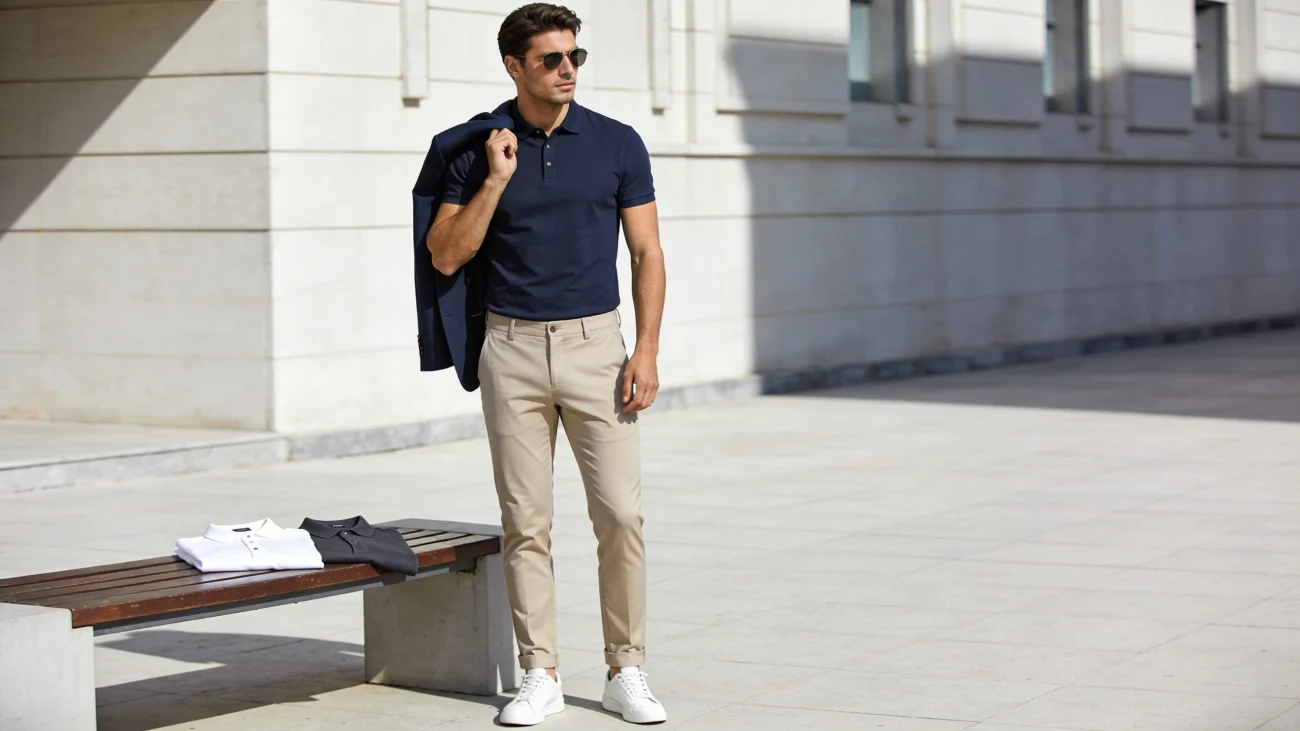
When a Pakistani professional walks into a meeting wearing a well-fitted polo shirt and tailored chinos, they’re signalling something specific: I operate in international contexts. I understand global professional norms. I can navigate different environments seamlessly.
This isn’t about denying Pakistani identity — it’s about demonstrating versatility. In a world where business is increasingly borderless, that versatility has real value.
The Modernity Association
Fair or not, certain industries associate western dress with innovation and forward-thinking. Tech companies, creative agencies, consulting firms, and startups have established visual cultures that lean western. Dressing within these norms signals alignment with these industries’ values.
A young founder pitching to investors, a developer interviewing at a tech giant, a consultant presenting to an international client — in each case, western casuals communicate: I belong in this space.
The Personal Brand Statement
Beyond industry norms, clothing choice is personal branding. The Pakistani man who curates a wardrobe of quality western casuals is making a statement about attention to detail, intentional choices, and self-awareness. He understands that presentation matters — not from vanity, but from professionalism.
The Polo Shirt: Pakistan’s Secret Weapon
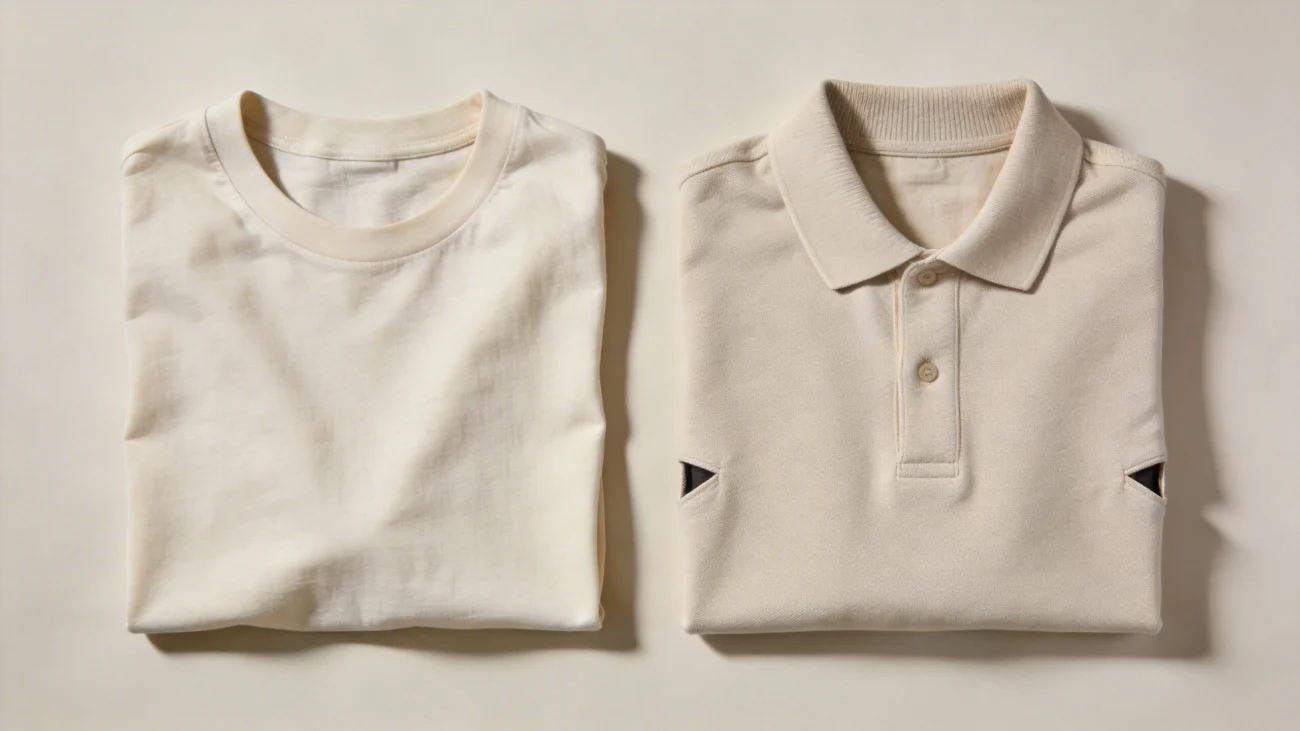
If there’s one garment that perfectly bridges traditional Pakistani sensibilities with western professional norms, it’s the polo shirt. This humble piece of clothing deserves special attention.
Why Polos Work in Pakistan
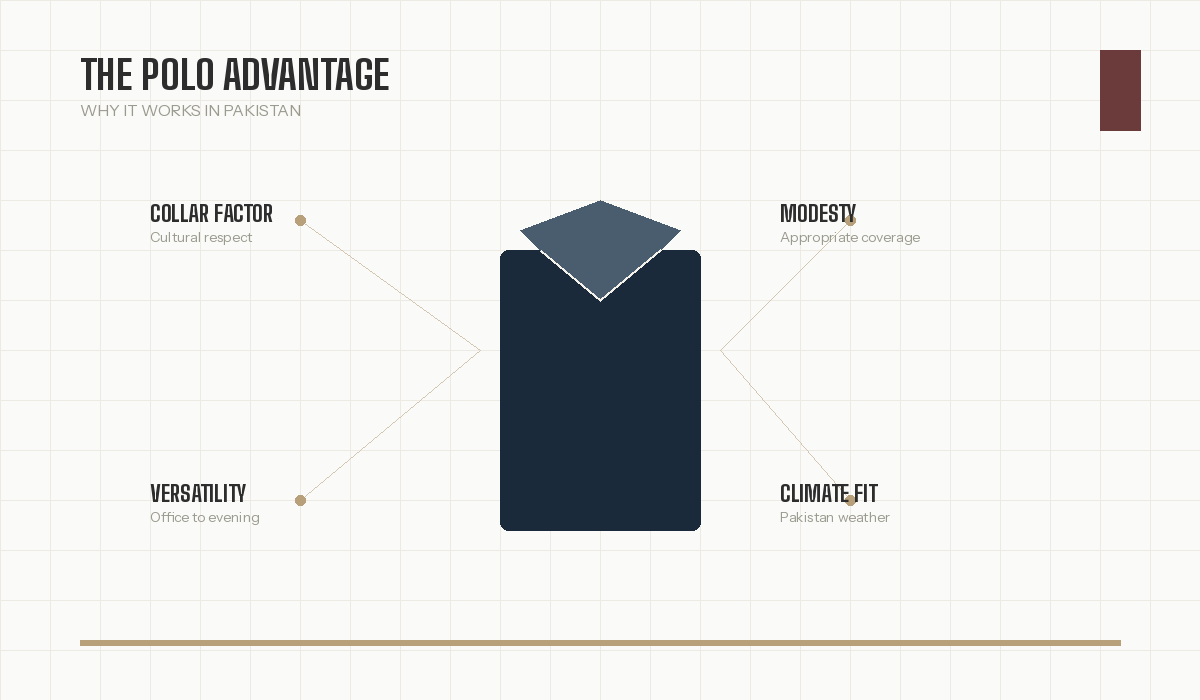
The Collar Factor: Pakistani culture places significance on collared clothing. The kurta’s band collar, the dress shirt’s formal collar — these signal respectability. The polo shirt’s collar satisfies this cultural expectation while remaining distinctly western and casual.
The Modesty Balance: Unlike t-shirts, polos offer slightly more coverage and structure. This aligns with Pakistani preferences for modest presentation without sacrificing comfort or modern aesthetics.
The Versatility Advantage: A polo shirt transitions effortlessly from office to casual Friday to weekend lunch to family gathering. In a culture where unexpected social obligations are common, this flexibility is invaluable.
The Climate Compatibility: Cotton polos breathe in Karachi’s humidity, layer well under sweaters in Islamabad’s winters, and remain appropriate in Lahore’s variable weather. They solve Pakistan’s climate diversity better than most alternatives.
Styling the Polo Right
- Fit is everything: A polo should follow your body without clinging. Shoulder seams should sit at your shoulder edge, not drooping down your arm.
- Collar position matters: Never pop your collar (unless you’re on a tennis court in 1985). The collar should lie flat and neat.
- Tuck or untuck intentionally: Tucked into chinos reads more formal; untucked over jeans or casual pants reads relaxed. Choose based on context.
- Colour strategy: Navy, grey, and white polos are foundational. Burgundy, olive, and lighter blues add personality without risk.
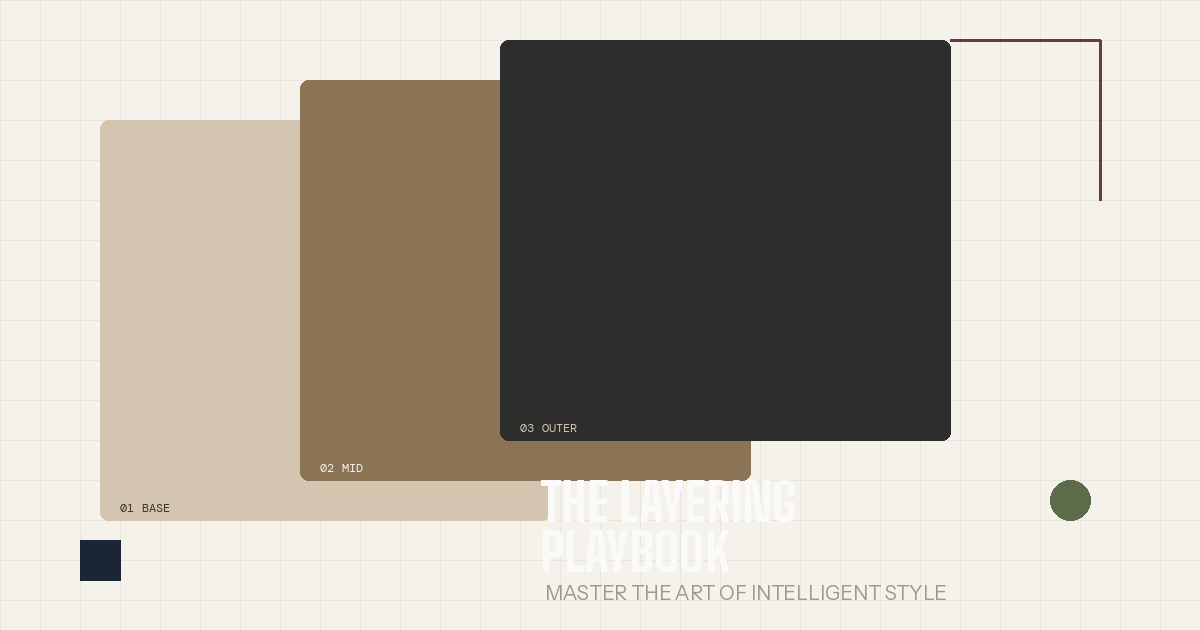
Building Your Smart Casual Capsule: The 3-5-2 System
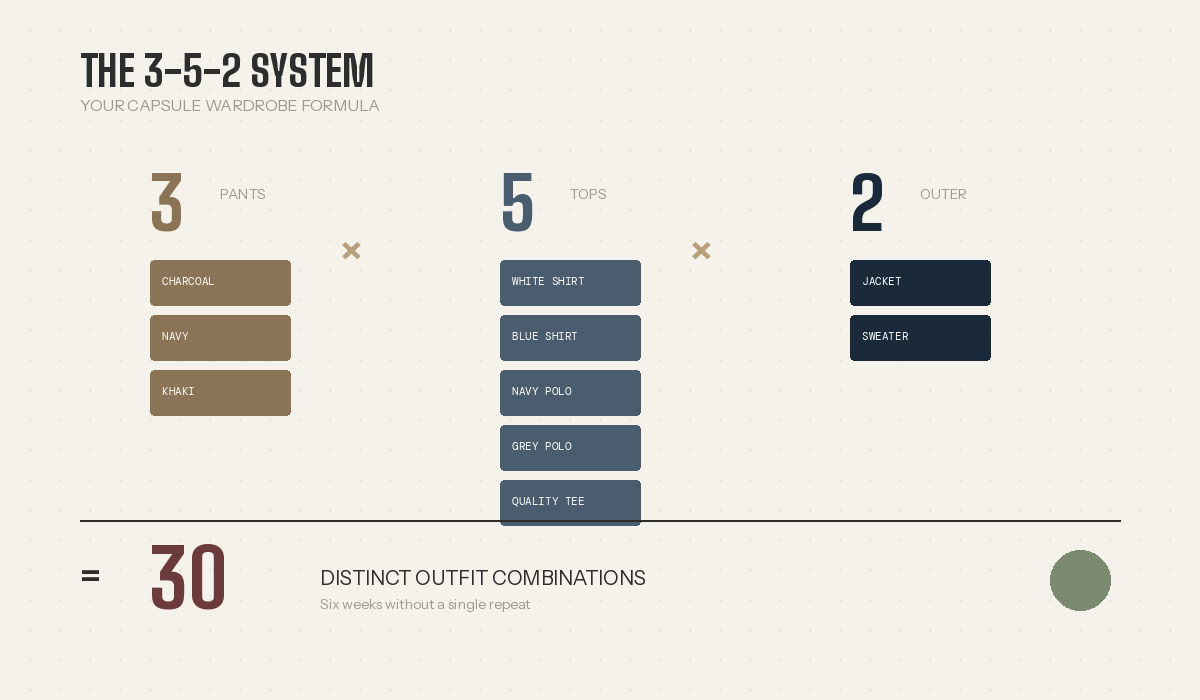
The smartest approach to western casuals isn’t buying more — it’s buying strategically. The 3-5-2 system gives you maximum versatility with minimum investment.
3 Pants: Your Foundation
- Charcoal/Dark Grey: Your most formal option. Works with everything, appropriate for client meetings, interviews, and important presentations.
- Navy: Slightly softer than black, more versatile than you’d expect. Pairs beautifully with white, grey, and light blue tops.
- Khaki/Tan: Your casual anchor. Perfect for Fridays, weekends, and environments where dark colours feel too serious.
These three pants, well-fitted and properly maintained, will handle 90% of your professional situations.
5 Tops: Your Rotation
- White Shirt: The universal professional. Works alone, under sweaters, under jackets. Non-negotiable foundation piece.
- Light Blue Shirt: Softer than white, equally versatile. Particularly flattering on South Asian skin tones.
- Navy Polo: Your smart casual workhorse. Polished enough for most offices, relaxed enough for after-work socialising.
- Grey Polo: Neutral enough to pair with everything, interesting enough to stand alone.
- Quality T-shirt (White or Grey): For casual Fridays, startup environments, and layering under jackets or hoodies.
2 Outer Layers: Your Finishers
- Navy or Charcoal Jacket: Structured enough for important meetings, versatile enough for everyday wear. This single piece elevates any outfit underneath.
- Sweater (Crew or V-neck): In navy, grey, or burgundy. Adds warmth and sophistication. Layered over shirts, it creates the polished smart casual look that dominates modern Pakistani offices.
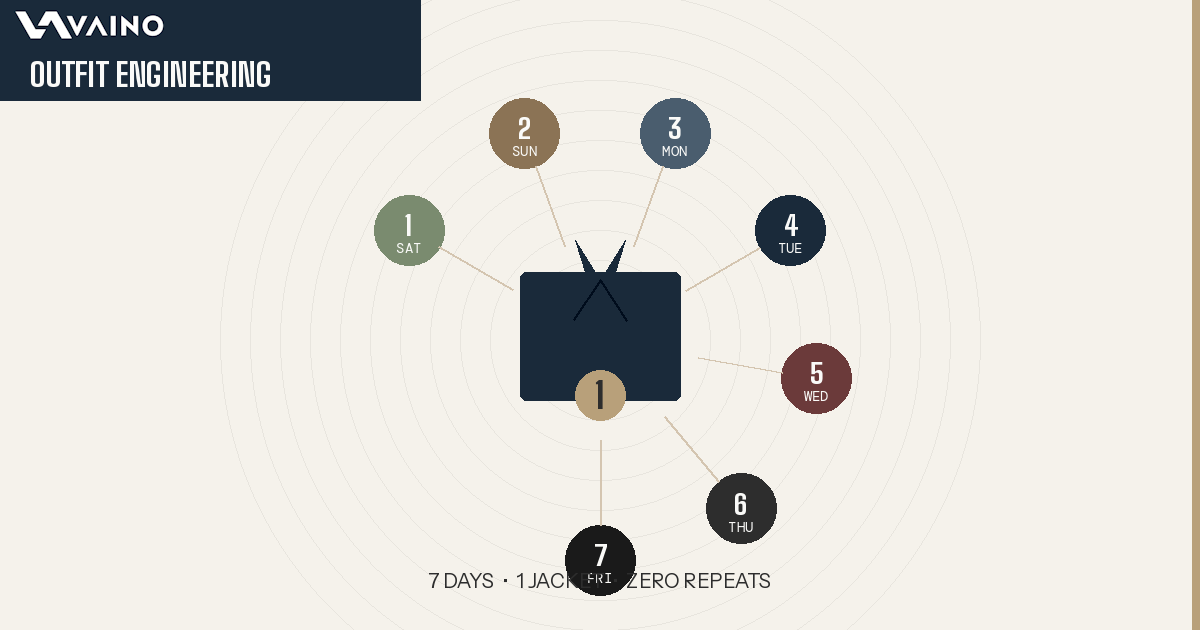
| THE MATH 3 pants × 5 tops × 2 outer layers = 30 distinct outfit combinations That’s six weeks of workwear without a single repeat. |
When Western Wear Works — And When Traditional Still Wins
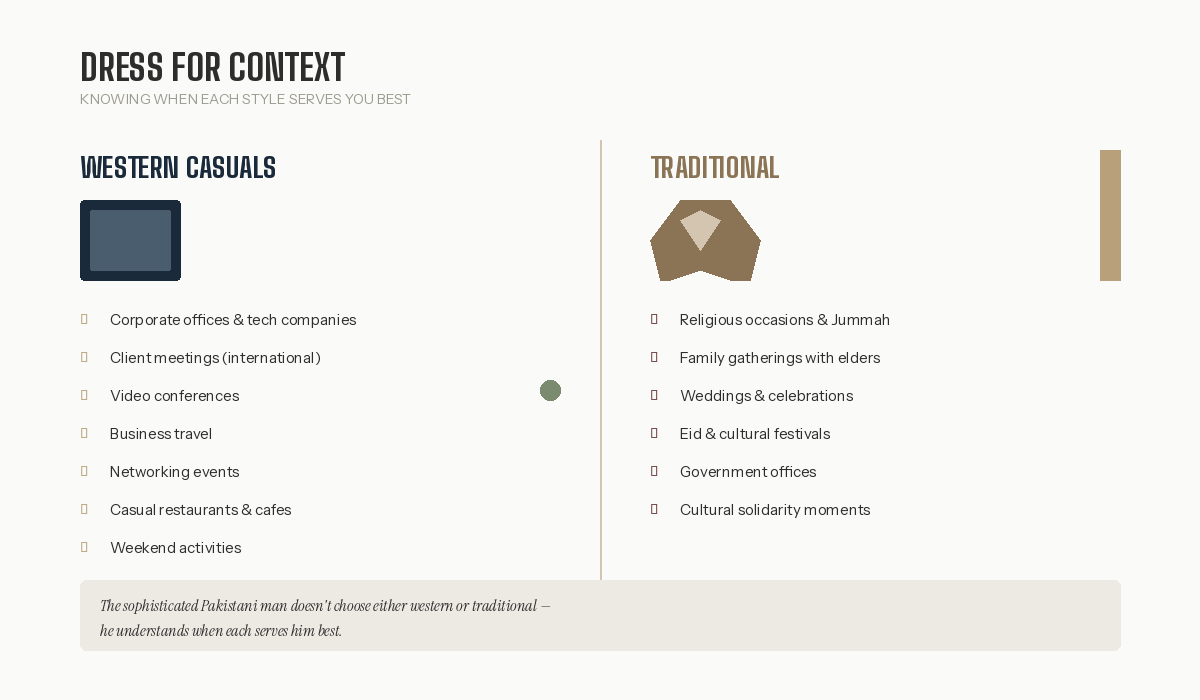
Intelligent dressing means understanding context. Western casuals have expanded options for Pakistani men, but they haven’t replaced traditional clothing entirely — nor should they.
Western Casuals Excel In:
- Corporate offices, especially multinationals and tech companies
- Client meetings with international stakeholders
- Video conferences and virtual meetings
- Business travel
- Networking events and industry conferences
- Casual restaurants, cafes, and urban social settings
- Weekend activities requiring practical clothing
Traditional Clothing Remains Appropriate For:
- Religious occasions and Jummah prayers
- Family gatherings, especially with elders
- Weddings and formal celebrations
- Eid and other cultural festivals
- Government offices and traditional institutions
- Situations where cultural solidarity matters
The sophisticated Pakistani man doesn’t choose either western or traditional — he understands when each serves him best. His wardrobe contains both, and he deploys them strategically.
The Real Secret: Confidence Over Clothing
Here’s something that matters more than any style guide: the best-dressed man in any room is the one who appears most comfortable in his own clothes.
You can follow every rule in this article, purchase every recommended item, and still look uncertain if you’re wearing clothes that don’t feel like you. Conversely, a man who owns his look — whatever that look is — commands attention.
The transition to western casuals should feel like expansion, not replacement. You’re adding tools to your wardrobe, not abandoning your foundation. Start with pieces that feel natural, build confidence through repetition, and gradually expand your comfort zone.
Starting Points for the Uncertain
If western wear feels entirely foreign: Start with polo shirts. The collar provides familiarity, the fit is forgiving, and the formality level bridges traditional and modern expectations.
If you’re comfortable but unsure about work contexts: Begin with Fridays. Use casual Fridays as a testing ground for new combinations before wearing them to important meetings.
If you want to elevate existing basics: Invest in fit. A Rs. 2,000 t-shirt that fits perfectly will outperform a Rs. 5,000 shirt that doesn’t. Tailoring is your secret weapon.
If you’re worried about judgment: Remember that judgment is inevitable regardless of what you wear. At least when wearing well-chosen western casuals, you’re being judged for a deliberate choice rather than a default.
The Future of Pakistani Professional Style
We’re witnessing the emergence of something new: a Pakistani professional aesthetic that’s neither imitation western nor strictly traditional. The most stylish young professionals are creating a fusion — mixing western casuals with elements that acknowledge Pakistani context.
This might mean a perfectly fitted t-shirt in a colour that works with South Asian skin tones. A jacket cut slightly longer to accommodate different body proportions. Fabrics chosen for Pakistani climate rather than European weather. Colours and textures that feel ours while remaining globally legible.
The Pakistani man who dresses well in 2024 isn’t copying western style — he’s adapting it. He understands that clothes are tools, and the best tool is one modified for your specific needs.
Making the Shift Your Own
The movement toward western casuals among Pakistani professionals isn’t about abandoning identity. It’s about expanding possibility. It’s about having options that serve you in different contexts — options your father’s generation didn’t have.
The key is intentionality. Don’t drift into western wear because everyone else is doing it. Choose it because it serves your goals, fits your lifestyle, and makes you feel capable and confident. Build a wardrobe that works for the life you’re actually living — the meetings you’re taking, the industries you’re navigating, the impression you want to make.
And remember: the best version of Pakistani professional style isn’t found in any catalogue or imported wholesale from another culture. It’s created by men like you, making thoughtful choices every morning, gradually defining what modern Pakistani professionalism looks like. Your wardrobe choices aren’t just personal — they’re cultural contribution.
The question isn’t whether to embrace western casuals. The question is: how will you make them yours?
| Start Building Your Smart Casual Wardrobe Explore Vaino’s curated collection of t-shirts, polo shirts, shirts, sweaters, hoodies, jackets, and pants — designed for the modern Pakistani professional who understands that style is strategy. Shop the Collection at vaino.pk |
Tags:
pakistani professional style, western wear pakistan, smart casual men, polo shirts, capsule wardrobe, office fashion pakistan, business casual, young professionals pakistan, vaino